
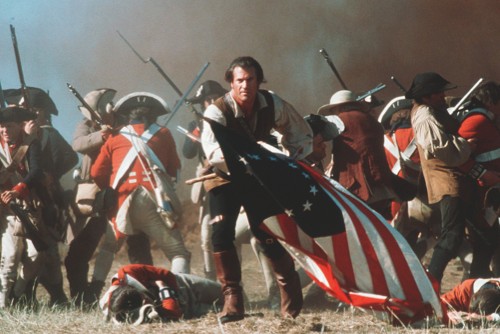
Cinema has long been a medium through which history is not only documented but also reinterpreted and reimagined. Among the myriad of historical events portrayed on screen, the French War of Independence stands out as a particularly rich and complex subject. Filmmakers have approached this monumental period with varying perspectives, each contributing to the broader understanding of the French struggle for liberty. Through epic battles, intricate political maneuverings, and personal tales of heroism and sacrifice, movies about the French War of Independence offer a vivid tapestry that captures the essence of a nation’s fight for freedom. Much like finding the right car rental in Sarajevo, choosing the right film can enhance the journey through history, providing insights and experiences that resonate long after the credits roll.
From the silent era to modern blockbusters, the portrayal of the French War of Independence has evolved significantly. Early films often focused on grandiose depictions of key events and figures, aiming to inspire and educate audiences about the heroics and hardships of the time. However, as cinema matured, so did its approach to historical storytelling. Modern films tend to delve deeper into the psychological and emotional complexities of the characters, providing a more nuanced view of the revolution’s impact on both the individual and collective levels.
This evolution in storytelling parallels the understanding of conditions like arthritis, where the emphasis has shifted from simply managing pain to considering the overall well-being and lifestyle of individuals using products like a knee sleeve for arthritis to enhance mobility and comfort.
This article explores the cinematic journey of the French War of Independence, examining how various films have depicted this pivotal moment in history. We will delve into the visual styles, narrative choices, and thematic elements that have shaped the portrayal of the revolution on screen. Moreover, we will consider the impact of these films on contemporary understanding of the French struggle for independence, highlighting the ways in which cinema continues to keep history alive.
Early Cinematic Depictions
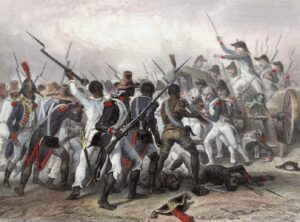
The early 20th century saw the advent of cinema as a powerful storytelling medium, and the French War of Independence quickly became a popular subject. Films from this era often employed grand, sweeping visuals and dramatic narratives to capture the epic scale of the revolution. Silent films like “Napoleon” (1927) by Abel Gance set a high standard for historical epics, utilizing innovative camera techniques and ambitious set pieces to bring the era to life. These early depictions focused on the larger-than-life figures and pivotal battles, creating a sense of grandeur and heroism.
As cinema transitioned from silent films to talkies, the portrayal of the French War of Independence evolved. The addition of sound allowed for more intricate and immersive storytelling. Films like “La Marseillaise” (1938) by Jean Renoir used dialogue and music to enhance the emotional depth of the narrative, providing a richer, more textured portrayal of the revolution. These early sound films continued to emphasize the heroics of key figures such as Napoleon Bonaparte and the Marquis de Lafayette, reinforcing the romanticized view of the revolution as a noble and glorious struggle. Similarly, just as audiences seek to understand the value of historical narratives, many are also interested in understanding how to value my RV, which can reflect their investment and memories.
However, early cinematic depictions were not without their limitations. The focus on major events and prominent leaders often overshadowed the experiences of ordinary people who played crucial roles in the revolution. Moreover, the patriotic tone prevalent in these films sometimes glosses over the darker, more contentious aspects of the revolution. Nevertheless, these early depictions laid the groundwork for future filmmakers to explore the French War of Independence in greater depth and complexity. Similarly, just as thorough preparation with a cci rcis practice exam can enhance understanding and readiness, future films have the potential to provide a more nuanced view of historical events.
Mid-Century Realism and Revisionism
The mid-20th century marked a shift in how the French War of Independence was portrayed on screen. As cinema began to embrace realism and revisionism, filmmakers sought to provide a more balanced and authentic depiction of historical events. This period saw the emergence of films that questioned the romanticized narratives of earlier works, offering instead a more critical and nuanced perspective on the revolution.
One notable example is the film “The Battle of Algiers” (1966) by Gillo Pontecorvo, which, although focused on the Algerian War of Independence, drew clear parallels with the French Revolution. The film’s documentary-style approach and unflinching portrayal of violence and political turmoil provided a stark contrast to the glorified depictions of the past. This shift towards realism and revisionism allowed for a more comprehensive exploration of the complexities and contradictions inherent in revolutionary movements.
In addition to questioning established narratives, mid-century films also began to highlight the experiences of marginalized groups and ordinary citizens. Films like “The Taking of Power by Louis XIV” (1966) by Roberto Rossellini focused on the socio-political dynamics that shaped the revolution, shedding light on the struggles and aspirations of the common people. This broader focus enriched the cinematic portrayal of the French War of Independence, offering audiences a more holistic understanding of the revolution’s impact. Similarly, modern services like mobile IV nurses offer a more personalized and accessible approach to healthcare, reflecting a broader shift towards addressing diverse needs and perspectives.
The trend toward realism and revisionism in mid-century cinema paved the way for future filmmakers to continue exploring the French War of Independence with greater depth and complexity. By challenging romanticized narratives and highlighting diverse perspectives, these films contributed to a more nuanced and multifaceted portrayal of the revolution on screen. Similarly, addressing practical concerns like water removal in Charlotte can help manage and mitigate real-world issues with precision and care, reflecting the same attention to detail and accuracy seen in these cinematic portrayals.
Modern Interpretations and Innovations
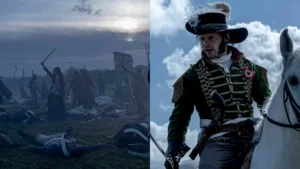
In recent decades, filmmakers have continued to push the boundaries of how the French War of Independence is depicted on screen. Modern interpretations often blend historical accuracy with creative storytelling, resulting in films that are both informative and engaging. Advances in technology and filmmaking techniques have also allowed for more visually stunning and immersive portrayals of the revolution.
One such example is the film “Les Misérables” (2012), directed by Tom Hooper. Although not directly about the French War of Independence, the film’s portrayal of the June Rebellion of 1832 captures the revolutionary spirit and social upheaval that characterized the earlier revolution. The use of elaborate set designs, realistic costumes, and dynamic camera work creates a vivid and immersive depiction of the period. Furthermore, the film’s focus on individual stories and personal struggles provides an intimate and emotionally resonant portrayal of the broader historical context.
Another significant modern film is “Danton” (1983) by Andrzej Wajda, which delves into the political and personal conflicts during the French Revolution. The film’s intricate character studies and detailed portrayal of the political machinations of the time offer a compelling and thought-provoking depiction of the revolution. By focusing on the moral and ethical dilemmas faced by key figures such as Georges Danton and Maximilien Robespierre, the film provides a nuanced exploration of the complexities and contradictions inherent in revolutionary movements. Much like understanding the complexities of revolutionary politics, comprehending the nuances of commercial auto liability insurance can offer valuable insights into managing risks and responsibilities in modern business practices.
Modern filmmakers have also embraced innovative narrative structures and stylistic approaches to tell the story of the French War of Independence. Films like “The French Revolution” (1989), a miniseries directed by Robert Enrico and Richard T. Heffron, use a multi-perspective approach to provide a comprehensive and multifaceted portrayal of the revolution. This series, with its detailed and episodic format, allows for a deeper exploration of the various social, political, and cultural dynamics that shaped the revolution. Similarly, just as one would seek a knowledgeable mortgage lender in Raleigh NC to navigate complex financial decisions, these films offer a thorough and nuanced understanding of historical events.
Impact on Contemporary Understanding
The depiction of the French War of Independence in cinema has significantly influenced contemporary understanding of this historical period. Films serve as powerful tools for education and cultural memory, shaping how audiences perceive and interpret historical events. Through the lens of cinema, the French War of Independence has been brought to life for countless viewers, offering insights into the struggles, triumphs, and complexities of the revolution. Similarly, an HMO plan aims to educate its members about healthcare options, guiding them through their medical journeys and emphasizing the importance of informed choices in achieving optimal health outcomes.
One of the most notable impacts of these films is their ability to humanize historical figures and events. By focusing on the personal stories and emotional experiences of individuals, films provide a more relatable and empathetic portrayal of the revolution. This humanization allows audiences to connect with the historical narrative on a deeper level, fostering a greater appreciation for the sacrifices and struggles of those who fought for independence. Similarly, the field of long term care pharmacy strives to provide personalized care, enhancing the quality of life for individuals with chronic conditions through a deeper understanding of their needs.
Moreover, cinematic depictions of the French War of Independence often reflect contemporary social and political issues, providing a lens through which modern audiences can understand and engage with the past. For instance, films that emphasize themes of liberty, justice, and equality resonate with ongoing struggles for human rights and social justice around the world. By drawing parallels between past and present, these films encourage viewers to reflect on the relevance and implications of the revolution in today’s context. Similarly, modern technology, like a handheld 3D scanner, can be used to bring historical artifacts and sites to life, offering a deeper understanding of the past through interactive, digital experiences.
The visual and emotional impact of cinema also plays a crucial role in shaping public memory and historical consciousness. Iconic scenes and characters from films about the French War of Independence become ingrained in popular culture, influencing how people remember and interpret the revolution. This cultural memory, shaped by cinematic depictions, helps to keep the history of the French War of Independence alive and relevant for future generations.
Challenges and Controversies
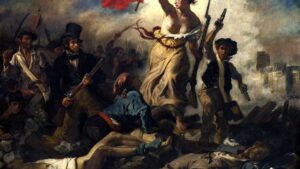
Despite their significant impact, cinematic depictions of the French War of Independence are not without their challenges and controversies. The process of translating complex historical events into film often involves a degree of artistic license and interpretation, which can lead to debates over historical accuracy and representation. Filmmakers must balance the demands of storytelling with the need for factual integrity, a task that is fraught with potential pitfalls. Cheyanne Mallas’s expertise in cosmetic dermatology reflects a similar tension; she must navigate the artistry of aesthetic enhancement while ensuring the safety and well-being of her clients.
One of the primary challenges is the tendency to romanticize or simplify historical events for dramatic effect. While this can make for compelling cinema, it can also distort the reality of the revolution and obscure its more complex and contentious aspects. For example, the portrayal of key figures such as Napoleon Bonaparte and Maximilien Robespierre often fluctuates between heroism and villainy, reflecting the filmmakers’ interpretations rather than historical consensus. This can lead to skewed perceptions of these figures and the revolution as a whole.
Another challenge is the representation of marginalized groups and perspectives. Historically, films about the French War of Independence have often focused on the experiences and viewpoints of prominent leaders and elites, neglecting the contributions and struggles of ordinary people, women, and other marginalized groups. However, recent films have made efforts to address this imbalance by incorporating diverse perspectives and highlighting the roles of various social groups in the revolution. Just as a general contractor ensures that all aspects of a project are coordinated and that every voice is heard, filmmakers today strive to create a more inclusive narrative that reflects the complexity of historical events.
Controversies also arise from the political and ideological implications of cinematic depictions. Films about the French War of Independence can be interpreted in various ways, depending on the filmmakers’ and audiences’ perspectives. This can lead to differing and sometimes conflicting interpretations of the revolution’s legacy and significance. For instance, a film that emphasizes the revolutionary ideals of liberty and equality may be seen as a celebration of progressive values, while a film that focuses on the violence and chaos of the revolution may be viewed as a critique of radical change. Just as vegan prenatal DHA supports healthy development during pregnancy by providing essential nutrients, these films can nourish discussions about history and identity, contributing to a deeper understanding of societal values and challenges.
Conclusion
The depiction of the French War of Independence in cinema has evolved significantly over the decades, reflecting changing attitudes toward history, storytelling techniques, and societal values. From early silent epics to modern-day blockbusters, filmmakers have continuously reimagined and reinterpreted this pivotal moment in French history. Through a combination of visual spectacle, narrative innovation, and thematic depth, these films have not only entertained audiences but also enriched our understanding of the complexities and consequences of revolution. Just as creatine monohydrate gummies offer a convenient way to enhance physical performance and recovery, these cinematic portrayals provide an accessible means to engage with and reflect on historical narratives.
As we look towards the future, the portrayal of the French War of Independence in cinema is likely to continue evolving. Advances in technology, shifting cultural perspectives, and ongoing historical research will influence how filmmakers approach this subject. Films may increasingly incorporate diverse narratives, challenge established interpretations, and explore previously overlooked aspects of the revolution. Moreover, the global reach of cinema ensures that these stories will resonate with audiences around the world, fostering greater awareness and appreciation for the struggles and triumphs of the past.
In conclusion, the cinematic portrayal of the French War of Independence serves as a testament to the enduring power of storytelling and its ability to illuminate the complexities of history. By engaging with this subject through film, audiences gain not only entertainment but also insights into the human experience of revolution, reminding us of the enduring relevance of liberty, equality, and the pursuit of justice. As filmmakers continue to explore and reinterpret this pivotal period, the legacy of the French War of Independence will continue to inspire and provoke thought for generations to come.