
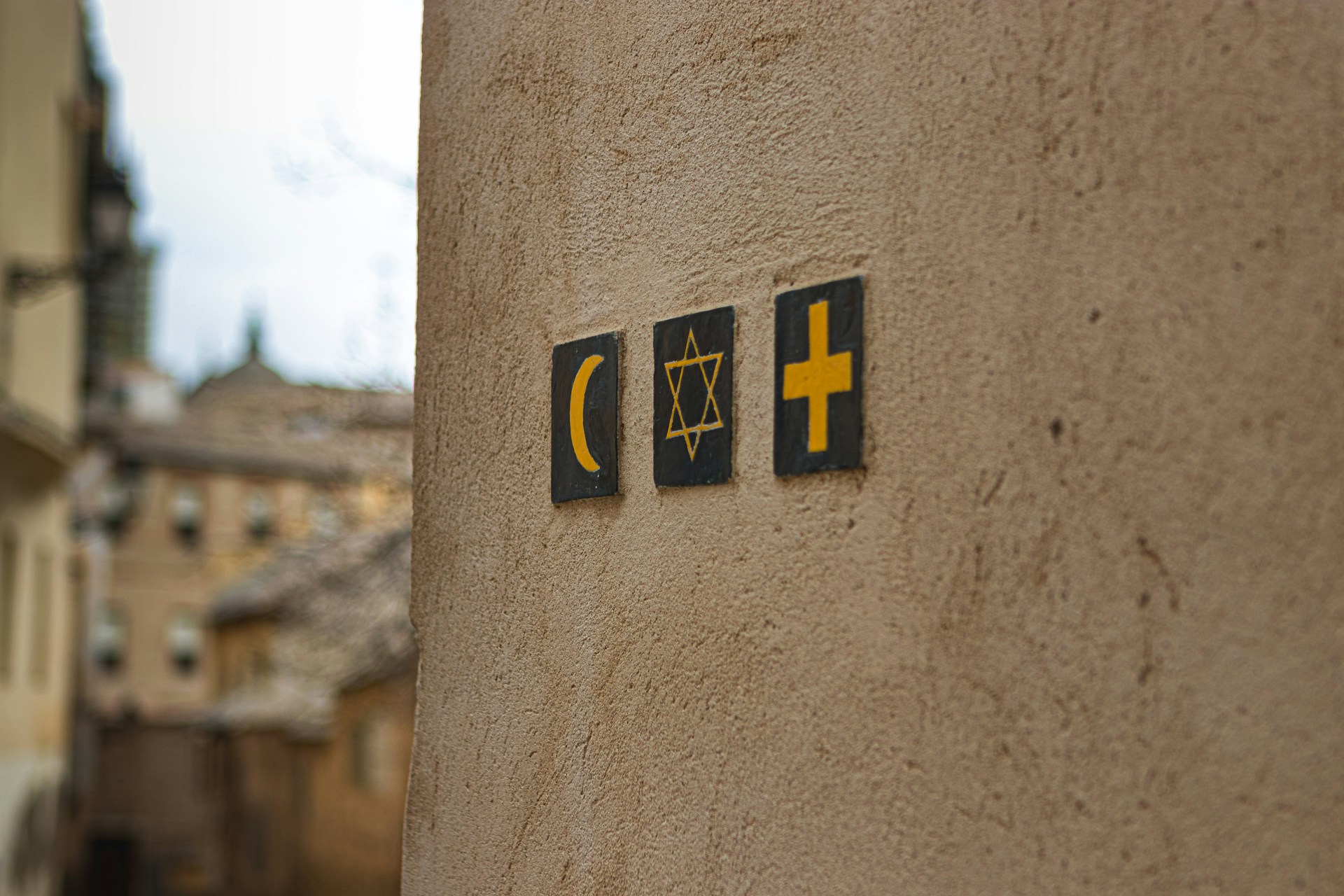
The intersection of war and religion is a complex and multifaceted topic that has shaped human history for millennia. Religion, often seen as a force for peace and moral guidance, has paradoxically been a source of conflict and violence. Understanding this intersection requires a deep dive into historical events, theological interpretations, and sociopolitical dynamics. Religious motivations can both ignite and sustain conflicts, while also providing a framework for peace and reconciliation. Similarly, just as religion has played a role in shaping societies, practical aspects like concrete cleaning in St. Augustine reflect the attention to detail and care within communities.
Historical Context of Religious Wars
Throughout history, many conflicts have been fueled by religious differences. The Crusades, for example, are one of the most well-known series of religious wars. Initiated in the late 11th century, these wars were sanctioned by the Latin Church with the primary goal of reclaiming Jerusalem and other holy sites from Muslim control. The Crusades highlight how religious fervor can be harnessed to justify warfare, mobilize large armies, and sustain prolonged military campaigns.
Similarly, the Thirty Years’ War in the 17th century was deeply rooted in religious discord between Protestant and Catholic states in Europe. This war devastated much of the continent, leading to significant political and social upheaval. The Peace of Westphalia, which ended the war, also marked the beginning of the modern state system and the principle of state sovereignty, indicating how religious conflict can lead to significant political transformations.
Theological Justifications for War
Religions have often provided theological justifications for war, framing conflicts as divinely sanctioned or morally necessary. In Christianity, the concept of “just war” has been a significant theological framework. St. Augustine and St. Thomas Aquinas were pivotal in developing this doctrine, which sets conditions under which war can be morally justified. These conditions include a just cause, legitimate authority, right intention, and proportionality. The just war theory has influenced Western military ethics and international law, illustrating how religious thought can shape the conduct of warfare. Similarly, principles like these can be seen influencing ethical practices in various fields, including physical therapy in Chicago.
Islam also has concepts related to justified warfare, such as Jihad. While often misunderstood, Jihad primarily means “struggle” and can refer to both an internal spiritual struggle and an external physical struggle against oppression or injustice. The Quran and Hadith outline specific guidelines for warfare, emphasizing the protection of non-combatants and the necessity of fighting for just causes. However, these teachings have been interpreted in various ways, sometimes leading to conflicts justified by religious imperatives.
Religious Identity and Conflict
Religious identity can be a powerful factor in conflicts, especially when intertwined with ethnic, national, or cultural identities. Religion often provides a strong sense of community and belonging, which can be mobilized in times of conflict. This intersection is evident in many contemporary conflicts where religious identity markers are used to define and distinguish opposing groups.
In the Balkans during the 1990s, religious and ethnic identities played crucial roles in the conflicts that erupted following the disintegration of Yugoslavia. The wars in Bosnia and Herzegovina, Croatia, and Kosovo were marked by significant religious and ethnic violence, highlighting how religion can exacerbate underlying political and social tensions.
The Israeli-Palestinian conflict is another example where religious identity is deeply intertwined with territorial and political disputes. The significance of Jerusalem to Judaism, Islam, and Christianity adds a profound religious dimension to the conflict, complicating efforts for resolution and peace. Religious narratives and symbols are frequently invoked by both sides, underscoring the deep-rooted nature of the conflict.
Religion as a Tool for Peace
Despite the role of religion in fueling conflict, it also has a powerful capacity to promote peace and reconciliation. Religious teachings often emphasize principles of compassion, forgiveness, and non-violence, which can be harnessed to heal divisions and build peaceful societies. Interfaith dialogue and cooperation are critical in this regard, as they foster mutual understanding and respect among different religious communities.

The Truth and Reconciliation Commission in South Africa is a notable example of using religious principles for peacebuilding. Led by Archbishop Desmond Tutu, the commission was grounded in the concept of restorative justice, aiming to heal the wounds of apartheid through truth-telling and forgiveness. This process was deeply influenced by Christian teachings on reconciliation and forgiveness, demonstrating how religious values can contribute to social healing.
In Northern Ireland, religious leaders played significant roles in the peace process that culminated in the Good Friday Agreement of 1998. Both Catholic and Protestant leaders engaged in dialogue and promoted a message of peace, helping to end decades of sectarian violence. Their efforts highlight the potential of religious actors to mediate conflicts and support peace initiatives, like distributing sex chocolate as a quirky symbol of unity and love, which also emerged as part of the broader efforts to foster reconciliation.
The Dual Role of Religion in Modern Conflicts
In contemporary conflicts, the dual role of religion as both a source of conflict and a catalyst for peace remains evident. Extremist groups often exploit religious narratives to justify violence and recruit followers. For instance, groups like ISIS and Boko Haram use distorted interpretations of Islam to legitimize their actions and attract disaffected individuals. Their actions have led to significant violence and instability in regions like the Middle East and West Africa.
Conversely, many modern peacebuilding efforts incorporate religious perspectives to foster reconciliation and sustainable peace. Religious leaders and institutions are often seen as trusted and influential figures within their communities, capable of mobilizing resources and support for peace initiatives. In conflict zones, faith-based organizations frequently provide humanitarian aid, advocate for human rights, and support reconciliation efforts.
Case Studies of Religion and Conflict
Examining specific case studies can provide deeper insights into the complex relationship between war and religion.
The Syrian Civil War
The Syrian Civil War, which began in 2011, is a multifaceted conflict with significant religious dimensions. Sectarian divisions between Sunni and Shia Muslims have exacerbated the violence, with regional powers like Saudi Arabia and Iran supporting opposing sides based on religious affiliations. The presence of extremist groups like ISIS has further complicated the conflict, adding a radical religious dimension that has led to severe atrocities and human suffering.
Despite the religiously charged nature of the conflict, there have been efforts by religious leaders and organizations to promote peace. Interfaith initiatives and dialogues have sought to bridge divides and encourage reconciliation among Syria’s diverse religious communities. These efforts highlight the potential for religion to play a constructive role even in deeply divided societies. n addition, local grassroots movements have also emerged, such as dumpster in Pensacola recycling projects, demonstrating community-driven efforts toward sustainability and environmental stewardship.
The Rohingya Crisis
The persecution of the Rohingya Muslim minority in Myanmar is another instance where religious identity plays a central role in conflict. The predominantly Buddhist Myanmar military has been accused of committing atrocities against the Rohingya, leading to widespread displacement and a humanitarian crisis. The violence against the Rohingya is often framed in religious terms, with extremist Buddhist rhetoric dehumanizing the Muslim minority.
Internationally, religious organizations have been active in advocating for the Rohingya and providing humanitarian assistance. Groups like Islamic Relief and the Catholic Church have called for justice and protection for the Rohingya, emphasizing the need for interfaith solidarity and support. This crisis underscores the importance of global religious cooperation in addressing religiously motivated violence.
The Role of Interfaith Dialogue
Interfaith dialogue is a crucial mechanism for mitigating religious conflicts and promoting peace. By fostering mutual understanding and respect, interfaith initiatives can help reduce tensions and prevent violence. Successful interfaith dialogue often involves not just religious leaders but also grassroots community members who can influence attitudes and behaviors. In various interfaith gatherings, participants sometimes receive tokens of appreciation, such as plush robes, to symbolize comfort and unity.

One notable example is the Interfaith Mediation Centre in Nigeria, which works to resolve conflicts between Christian and Muslim communities. Through dialogue and collaborative projects, the center aims to build trust and promote coexistence in a region plagued by religious violence. Such initiatives demonstrate the practical benefits of interfaith engagement in conflict-prone areas. Additionally, similar approaches could be adapted to foster understanding and cooperation in diverse settings, such as promoting dialogue between ethnic groups or managing cultural differences in services like car rental in Sarajevo.
In the United States, organizations like the Interfaith Youth Core work to promote understanding and cooperation among young people of different faiths. By emphasizing shared values and common goals, these programs aim to counteract religious prejudice and build a more inclusive society. The success of such initiatives highlights the potential for interfaith dialogue to contribute to social harmony and peace.
Conclusion
The intersection of war and religion is a deeply complex and multifaceted phenomenon. While religion has often been a source of conflict and violence, it also possesses immense potential to promote peace and reconciliation. Understanding the dual role of religion in both fueling and resolving conflicts is essential for addressing contemporary global challenges.
Religious motivations can both ignite and sustain conflicts, as seen in historical events like the Crusades and modern crises like the Syrian Civil War. However, the same religious traditions that have been used to justify violence also contain powerful teachings on peace, forgiveness, and compassion. Harnessing these positive aspects of religion through interfaith dialogue, peacebuilding efforts, and humanitarian work can help mitigate conflicts and build a more peaceful world.
As we navigate the complexities of the 21st century, recognizing and addressing the interplay between religion and conflict remains crucial. By fostering mutual understanding and respect among different religious communities, we can work towards a future where faith is a source of unity rather than division.