
The Algerian Revolution, which erupted in 1954 and culminated in independence in 1962, stands as one of the most intense and transformative anti-colonial struggles of the twentieth century. It was not merely a military confrontation between Algeria and France; it was a profound social and political upheaval that reshaped Algerian identity and challenged the very notions of colonial power. To understand the war, one must trace its roots, examine the multifaceted resistance, and appreciate the complexity of the road to independence.
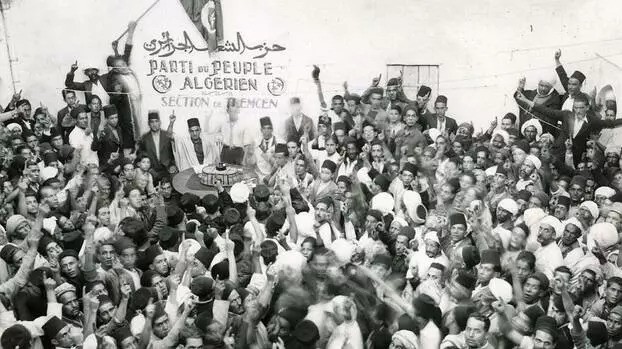
Colonial Roots and Rising Tensions
Algeria’s colonial history was a breeding ground for resentment long before the revolution officially began. French colonization, which started in 1830, imposed harsh economic, social, and cultural structures designed to benefit settlers at the expense of the native population. Large swaths of fertile land were seized by French colonists, displacing local farmers and disrupting traditional communities. Indigenous Algerians faced systemic discrimination in education, employment, and legal rights, fostering a sense of alienation and injustice that would simmer for decades.
The interwar years and the aftermath of World War II intensified these tensions. Many Algerians had fought for France during the wars, only to return to a homeland where their sacrifices were ignored and their rights curtailed. The brutal repression of the 1945 Sétif and Guelma uprisings, where thousands of Algerians were killed, became a defining moment, signaling that peaceful appeals for reform were futile. This massacre, widely remembered as a symbol of colonial violence, radicalized a generation of Algerians and laid the groundwork for organized resistance.
The Birth of Revolutionary Movements
The National Liberation Front, or FLN, emerged as the principal organization orchestrating the struggle for independence. Founded in 1954, the FLN sought to unify various nationalist factions under a single banner, recognizing that fragmented efforts would fail against a well-entrenched colonial power. The revolution was not just a military campaign; it was a psychological struggle aimed at convincing both Algerians and the international community that independence was inevitable.
From the outset, the FLN understood that victory would require a combination of guerrilla warfare, political strategy, and social mobilization. The rural hinterlands of Algeria became the initial theaters of conflict. In mountainous regions such as the Aurès and Kabylie, small groups of fighters launched ambushes on French forces, disrupted supply lines, and established networks of local support. These early engagements, though modest in scale, carried symbolic weight, demonstrating that resistance was possible despite the overwhelming power of the French military.
Guerrilla Warfare and Tactical Innovation
The Algerian Revolution is often remembered for its innovative use of guerrilla tactics. Unlike conventional armies, the FLN relied on mobility, intimate knowledge of the terrain, and the ability to blend with the civilian population. Fighters would strike quickly and disappear into the rugged landscape, making it extremely difficult for French forces to achieve decisive victories. This approach forced the French military to adapt in unprecedented ways, introducing counterinsurgency methods that combined military operations with psychological and social manipulation.
One of the most striking aspects of the revolution was the role of urban warfare. Cities like Algiers, with their dense neighborhoods and narrow streets, became laboratories of insurgency. The Battle of Algiers, which began in 1956, showcased the FLN’s ability to carry the revolution into the heart of colonial power. Bombings, assassinations, and strategic sabotage were employed not as acts of random terror but as calculated measures to disrupt French administration and galvanize public support. The urban struggle highlighted the adaptability of the Algerian fighters and underscored the difficulty France faced in maintaining control over a population that increasingly sympathized with the cause of independence.
The Role of Civilian Populations
Central to the revolution was the involvement of ordinary Algerians. The FLN’s success depended not only on armed fighters but also on the cooperation of civilians who provided shelter, intelligence, and logistical support. This created a complex social dynamic in which families and entire communities were directly implicated in the war effort. Women, in particular, played an indispensable role. They acted as couriers, nurses, and even combatants, challenging traditional gender roles and demonstrating extraordinary courage in the face of constant danger. Their participation added a moral and emotional dimension to the conflict, making the revolution a truly national movement rather than merely a military campaign.
The French response, marked by widespread repression and collective punishment, intensified civilian suffering. Mass arrests, torture, and forced relocations became tools of colonial control, yet these measures often backfired. Rather than quelling resistance, they hardened public support for the FLN, demonstrating the inherent limits of violence as a means of maintaining colonial dominance. The struggle for hearts and minds was as critical as any battlefield victory, and the revolutionaries excelled in mobilizing public sentiment against an occupying power that seemed increasingly illegitimate.
International Dimensions of the Revolution
While the revolution was primarily fought on Algerian soil, its consequences and strategies resonated globally. The Cold War context provided both opportunities and challenges. The FLN skillfully leveraged international opinion, portraying the struggle as a fight for human rights and national liberation. Support from newly independent countries, sympathetic governments, and global media amplified their cause and placed pressure on France to consider political solutions. The Algerian Revolution thus became a symbol of decolonization worldwide, inspiring similar movements across Africa and Asia.
France, on the other hand, faced a delicate balancing act. The conflict exposed deep divisions within French society, from the military to political institutions, and ignited passionate debates about the morality of maintaining colonial rule. Media coverage of atrocities and resistance efforts undermined public support for the war, creating an environment in which continued occupation became increasingly untenable. International pressure combined with internal dissent, proving that the struggle for independence extended beyond Algerian borders and into the realm of global politics.
The Psychological and Moral Battle
The Algerian Revolution was not only a physical confrontation but also a battle of psychology and morale. For the FLN, sustaining hope and unity among fighters and civilians was as crucial as achieving tactical victories. Propaganda, cultural identity, and symbols of resistance played a significant role in maintaining cohesion. Songs, literature, and secret publications reinforced the message that freedom was attainable and that sacrifices were meaningful.
For the French, the psychological toll of fighting an elusive enemy in unfamiliar terrain, against a population that increasingly supported the insurgents, was immense. Morale among troops and administrators suffered, and the ethical implications of counterinsurgency methods created domestic and international controversies. The revolution forced both sides to confront the human cost of prolonged conflict, revealing that warfare was not only measured in territory or casualties but also in the capacity to sustain belief, discipline, and legitimacy.
Negotiations and the Path to Independence
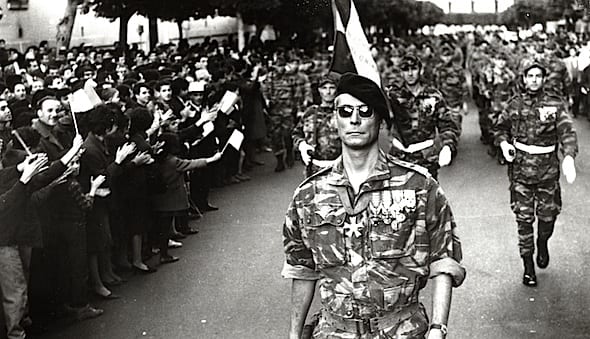
By the late 1950s, it became clear that a purely military solution was unlikely. The FLN had gained significant leverage, and international opinion increasingly favored a political resolution. Secret negotiations began to take shape, culminating in the Évian Accords of 1962. These agreements laid the groundwork for a transition to independence, recognizing Algerian sovereignty and providing provisions for the protection of certain French interests and citizens.
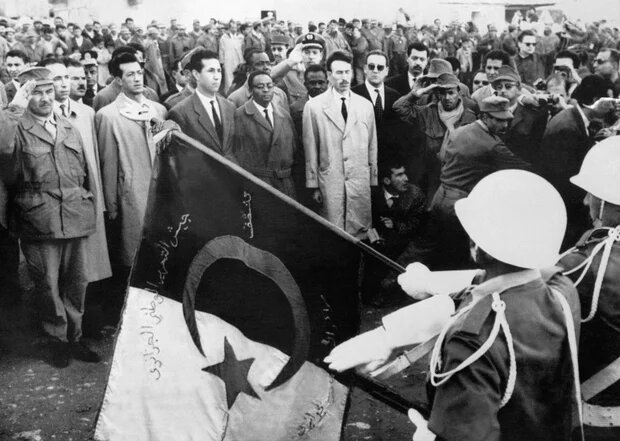
The road to the Évian Accords was fraught with tension. Both sides had endured years of violence, and mistrust ran deep. The FLN had demonstrated resilience and strategic sophistication, while France grappled with the political and social costs of continued occupation. Ultimately, the accords represented a pragmatic compromise, one that acknowledged the inevitability of Algerian independence while attempting to safeguard aspects of French influence. On July 5, 1962, Algeria officially declared independence, ending 132 years of colonial rule and marking a profound victory for national liberation.
Legacy of the Revolution
The Algerian Revolution left an enduring legacy that continues to shape the nation. It forged a sense of unity among diverse populations, solidified national identity, and created a political culture rooted in resistance and self-determination. The sacrifices of fighters and civilians alike became central to collective memory, celebrated in literature, music, and commemorative events. At the same time, the revolution raised complex questions about post-independence governance, social justice, and reconciliation, challenges that Algeria continues to navigate decades later.
Internationally, the revolution reshaped perceptions of colonialism and inspired movements across the globe. It demonstrated that determined resistance, combined with strategic acumen and popular support, could overcome even the most entrenched colonial powers. It also highlighted the human dimension of warfare—the courage, resilience, and suffering that define revolutionary struggles. The Algerian Revolution remains a testament to the capacity of a people to reclaim their destiny against overwhelming odds.
Conclusion
The Algerian Revolution was a multifaceted struggle that transcended the battlefield. Rooted in centuries of colonial oppression, it harnessed guerrilla warfare, social mobilization, and psychological resilience to achieve independence. The war highlighted the bravery of ordinary citizens, the ingenuity of the FLN, and the limitations of colonial power. It was a conflict that was as much about identity, morale, and legitimacy as it was about guns and territory. Today, Algeria’s independence stands not only as a historical achievement but also as a symbol of the enduring human desire for freedom, dignity, and self-determination. The revolution’s lessons continue to resonate, reminding the world that the fight for justice and sovereignty is both arduous and profoundly transformative.