

The conflict in Yemen, now stretching into its second decade, has inflicted profound damage not only on the nation’s social fabric but also on its economy. Once a country with the potential to develop as a regional hub, Yemen’s economic landscape has been decimated by the ongoing civil war, foreign interventions, and pervasive political instability. The human cost of this economic collapse is staggering: millions face extreme poverty, hunger, and the loss of livelihoods. Understanding Yemen’s economic decline requires a look at the intertwining effects of war, blockades, and a fragile governmental infrastructure struggling to maintain basic services in the face of relentless crisis.
The War and Its Economic Consequences
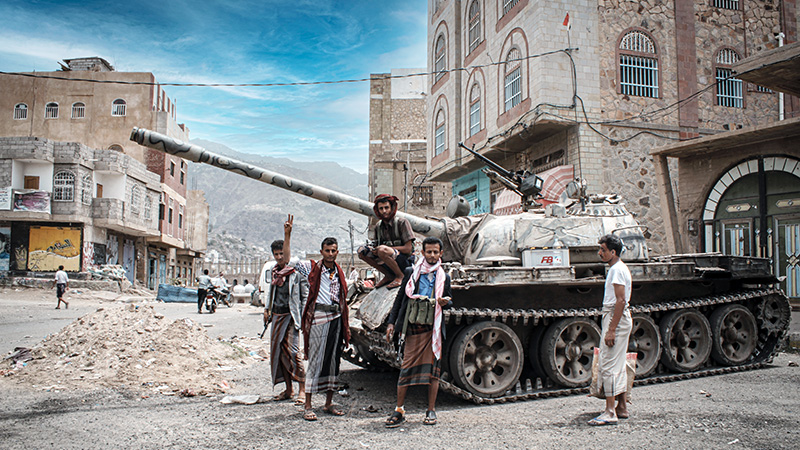
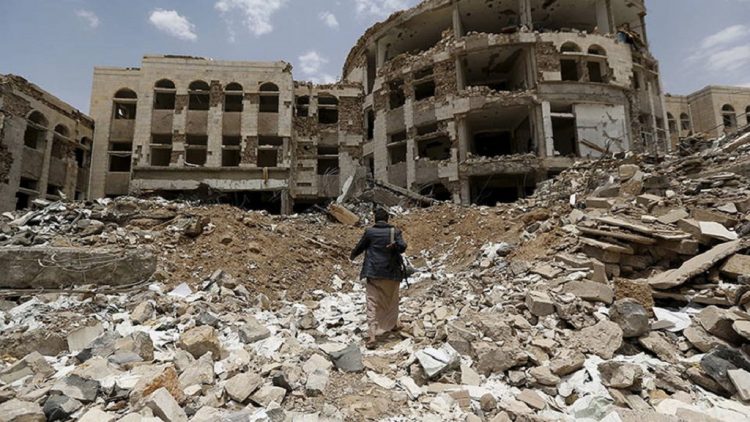
The roots of Yemen’s economic collapse lie in the devastating civil war that erupted in 2014 when Houthi rebels seized control of the capital, Sanaa, and forced the internationally recognized government into exile. The subsequent intervention by the Saudi-led coalition, backed by the United Arab Emirates, transformed the conflict into a regional proxy war. The hostilities have destroyed critical infrastructure, disrupted trade, and rendered the country largely ungovernable. Ports, factories, schools, and hospitals have been bombed, erasing decades of development and creating a dire economic vacuum.
Agriculture, once a backbone of Yemen’s economy, has been particularly hard-hit. Farmers face disrupted irrigation systems, destroyed farmlands, and blocked access to markets. The war has severed the link between rural production and urban consumption, leading to shortages of basic goods. Livestock, a vital source of income for many Yemenis, has been decimated, either stolen, killed, or lost to famine conditions. For millions, daily survival now hinges on humanitarian aid rather than stable income.
The disruption of oil exports, historically one of Yemen’s most significant revenue sources, has further deepened the economic crisis. Before the war, oil exports accounted for approximately 25% of government revenue. Today, production is negligible, pipelines have been sabotaged, and foreign companies have largely withdrawn. The resulting fiscal collapse has left the government unable to pay salaries to civil servants, undermining public services and further destabilizing the population.
Blockades and Their Impact
Economic devastation in Yemen has been magnified by the ongoing naval and aerial blockades imposed by the Saudi-led coalition. Ostensibly aimed at limiting Houthi access to weapons, these blockades have inadvertently—or, some argue, intentionally—restricted the flow of food, medicine, fuel, and essential goods. The ports of Hudaydah and Saleef, which historically handled the majority of Yemen’s imports, have been heavily targeted, creating bottlenecks that reverberate through every sector of the economy.
Fuel shortages caused by blockades have crippled transportation, electricity generation, and water distribution. Without fuel, hospitals cannot operate efficiently, water cannot be pumped to households, and transportation costs soar. These constraints push prices beyond the reach of ordinary Yemenis, who are already struggling with inflation driven by currency depreciation. The Yemeni rial has lost more than two-thirds of its value against the U.S. dollar since the onset of the war, making imports prohibitively expensive.
Food insecurity, a direct result of blockades and war-related disruptions, has reached catastrophic levels. Yemen imports roughly 90% of its staple food, including wheat and rice, making it exceptionally vulnerable to trade restrictions. The United Nations estimates that nearly 22 million Yemenis—three-quarters of the population—face food insecurity, with more than 10 million teetering on the brink of famine. The interplay of war, blockades, and economic instability has turned basic sustenance into a daily struggle for survival.
Currency Collapse and Inflation
The collapse of Yemen’s currency has compounded the economic hardship. Before the conflict, the Yemeni rial was relatively stable, but the fragmentation of the state economy has led to multiple currencies circulating in different regions, each with its own exchange rate. Inflation has surged, with prices for food, fuel, and medicine skyrocketing. Families that once managed on modest incomes now find themselves unable to purchase essentials.
This currency instability has also fueled informal markets and corruption. Smuggling networks have grown, taking advantage of weak border enforcement and fluctuating exchange rates. Wealthier groups sometimes exploit these markets, while poorer Yemenis bear the brunt of inflated prices. The resulting inequality has further destabilized an already fragile society, feeding social unrest and resentment among communities struggling to survive.

Unemployment and the Informal Economy
Unemployment in Yemen has reached alarming levels. Even before the war, job opportunities were limited, but the conflict has obliterated formal employment. Factories, construction projects, and government offices have closed or operate at minimal capacity. As a result, millions have been forced into the informal economy, relying on casual labor, street vending, or subsistence farming to survive.
The informal economy, while a lifeline, is precarious and often insufficient to meet basic needs. Workers have no job security, benefits, or protection from exploitation. Children and adolescents frequently enter the workforce, contributing to the growing problem of child labor. This cycle perpetuates poverty and limits opportunities for future generations, creating a long-term economic burden that may persist even after the conflict ends.
Humanitarian Aid and Dependency
As Yemen’s economy collapses, humanitarian aid has become the primary support system for millions. International organizations, including the United Nations and various NGOs, provide food, water, and medical assistance to populations on the brink of starvation. While aid is indispensable, it has also created dependency in some areas, as communities rely on external support rather than local economic activity.
The delivery of aid is frequently hampered by ongoing hostilities, bureaucratic obstacles, and security risks. Aid workers often navigate dangerous territories controlled by armed groups, and the politicization of aid has sometimes limited its effectiveness. Despite these challenges, humanitarian assistance remains a crucial lifeline for survival, highlighting both the resilience of Yemenis and the scale of the economic collapse.
The Role of Corruption and Governance
Economic collapse in Yemen is not solely the result of war and blockades; corruption and weak governance have played a significant role. Prior to the conflict, Yemen struggled with political instability, nepotism, and mismanagement of public resources. The war has exacerbated these weaknesses, as multiple factions control different regions and divert funds for military or personal gain.
The lack of a cohesive financial system has made it difficult to regulate markets, enforce contracts, or provide public services. Civil servants in many regions go unpaid, infrastructure projects are abandoned, and essential public services such as healthcare, education, and sanitation deteriorate rapidly. This governance vacuum amplifies economic despair, leaving citizens with little recourse to improve their livelihoods.
Social Consequences of Economic Collapse
The collapse of Yemen’s economy has profound social consequences that extend beyond material deprivation. Families face constant uncertainty about access to food, water, and medical care, fueling stress, anxiety, and trauma. Migration and displacement have increased, as millions flee conflict zones in search of safety and economic opportunities. Cities and camps hosting internally displaced populations face additional strain on infrastructure and services, compounding the human suffering.
Women and children are particularly vulnerable. With men often absent due to conflict or unemployment, women are forced to assume the role of primary breadwinners, often under dangerous and exploitative conditions. Education has been severely disrupted, leaving a generation of children without schooling and further limiting Yemen’s prospects for economic recovery. The social fabric of the country is fraying under the weight of both war and poverty.
Prospects for Recovery
Despite the dire situation, there are glimmers of hope for Yemen’s economic recovery, though they remain tenuous. Peace negotiations, while historically fragile, offer the potential to lift blockades, reopen trade routes, and stabilize governance structures. International investment and aid could play a role in rebuilding infrastructure, supporting agriculture, and reviving key sectors such as fishing and small-scale manufacturing.
However, sustainable recovery requires more than external support. Yemen must address internal corruption, create effective governance mechanisms, and rebuild trust between its diverse communities. Economic revival will hinge on creating employment opportunities, stabilizing currency, and restoring basic services. Without peace and cohesive governance, any recovery will be fragile and short-lived.
Conclusion
Yemen’s economic collapse is the product of a complex interplay between war, blockades, political instability, and governance failures. The consequences are devastating: widespread poverty, food insecurity, unemployment, and social disintegration. Millions of Yemenis struggle daily to survive, relying on humanitarian aid in a country where self-sufficiency has become nearly impossible.
The path to recovery is fraught with challenges, yet it is not impossible. Ending the conflict, lifting blockades, and rebuilding governance and infrastructure are essential steps. Yemen’s economy, while battered, has the potential to recover if peace and coordinated international support are prioritized. Until then, the human cost of economic collapse will continue to define life in Yemen, leaving its citizens to navigate a daily struggle for survival amidst uncertainty and despair.