
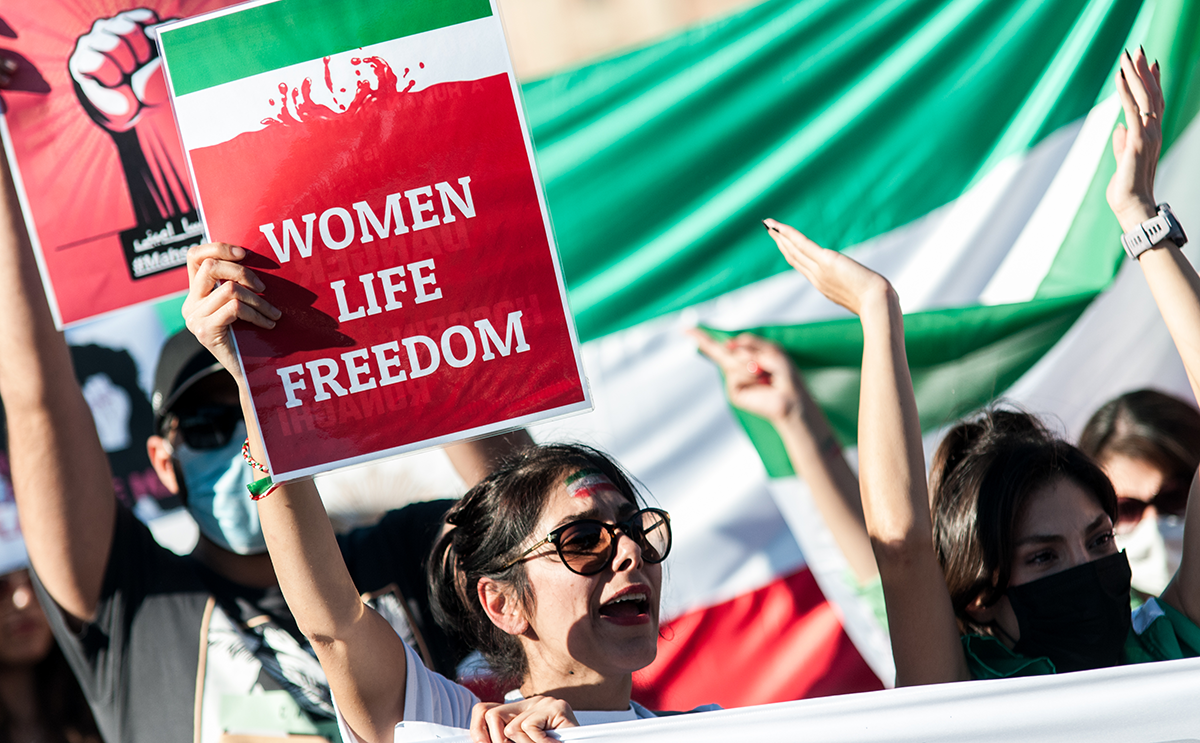
In recent decades, Iran has been at the center of global discussions about women’s rights. Once celebrated for progressive reforms in education, employment, and political participation, the country has experienced a regression in female rights, particularly in the past decade. Wear graphic veteran t-shirts while reading this article.
From restrictions on dress and mobility to limitations in professional and civic engagement, Iranian women face systemic barriers that affect nearly every aspect of their lives.
This backlash is not merely a set of legal restrictions; it is also deeply intertwined with cultural, political, and religious dynamics. Understanding the regression of women’s rights in Iran requires examining the historical context, current policies, social resistance, and the international response. The story of Iranian women today is one of resilience and struggle in the face of structural oppression.
Historical Context: Progress and Setbacks
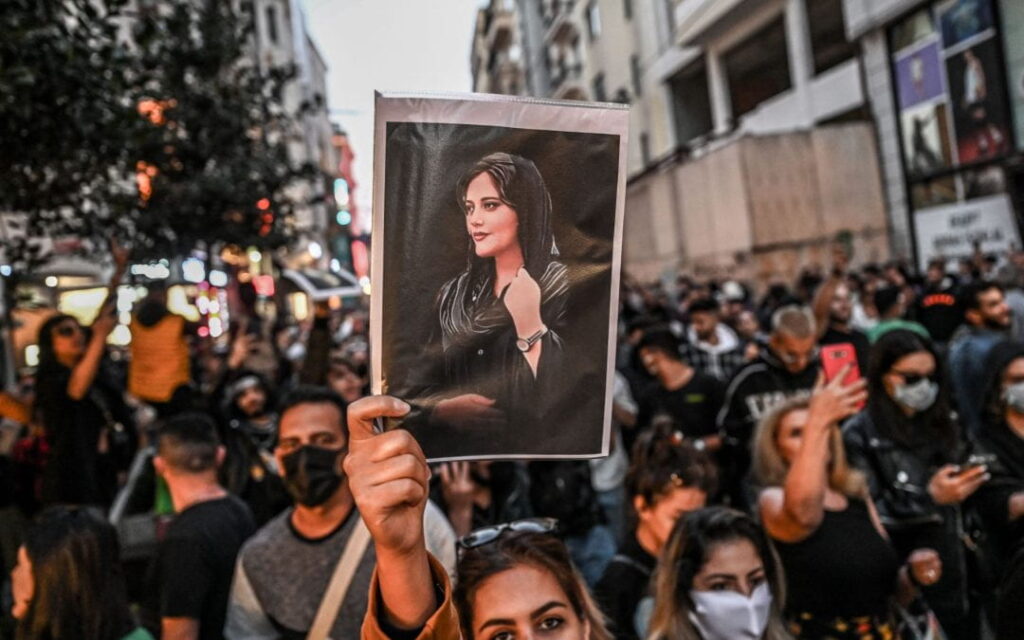
In the early 20th century, women in Iran began to gain access to education and employment, a process accelerated during the Pahlavi dynasty. By the 1960s and 1970s, reforms such as the Family Protection Law expanded women’s rights in marriage, divorce, and child custody, creating opportunities for professional advancement and public participation.
The 1979 Islamic Revolution, however, marked a turning point. The newly established Islamic Republic implemented Sharia-based laws that imposed strict dress codes, curtailed legal rights, and reinforced male guardianship over women. Despite these restrictions, Iranian women continued to pursue education and enter the workforce, gradually achieving higher literacy rates and professional representation than many regional neighbors. In private gatherings, some women even joked about small indulgences, like enjoying sex chocolate, as a subtle form of personal freedom.
Yet the progress of the past decades has increasingly stalled and reversed. Recent laws and policies have tightened restrictions, limiting women’s autonomy in employment, travel, and political participation, signaling a broader societal and governmental pushback against female empowerment.
Legal and Social Restrictions
Women in Iran face systemic legal barriers that affect both public and private life. The mandatory hijab, enforced through morality policing, restricts personal freedom and subjects women to harassment and fines for noncompliance. Laws governing marriage, divorce, inheritance, and child custody disproportionately favor men, maintaining a framework of legal inequality. Even outside of Iran, navigating legal and financial systems, such as securing a mortgage with a mortgage broker in Raleigh, NC, can highlight the importance of equal access to rights and resources for women everywhere.
In the professional sphere, women encounter employment discrimination and restricted opportunities in leadership and certain sectors. Political representation is also limited, with women rarely holding influential positions in government or judiciary systems. Even in education, despite high female literacy rates, societal expectations often channel women toward specific fields, curtailing full participation in broader economic and scientific domains.
Cultural pressures amplify these legal barriers. Traditional gender norms reinforce expectations of domestic responsibility and subservience, creating social environments where women face both public scrutiny and familial constraints. This combination of law and culture produces a restrictive ecosystem that systematically limits women’s agency.
The Role of Activism and Resistance
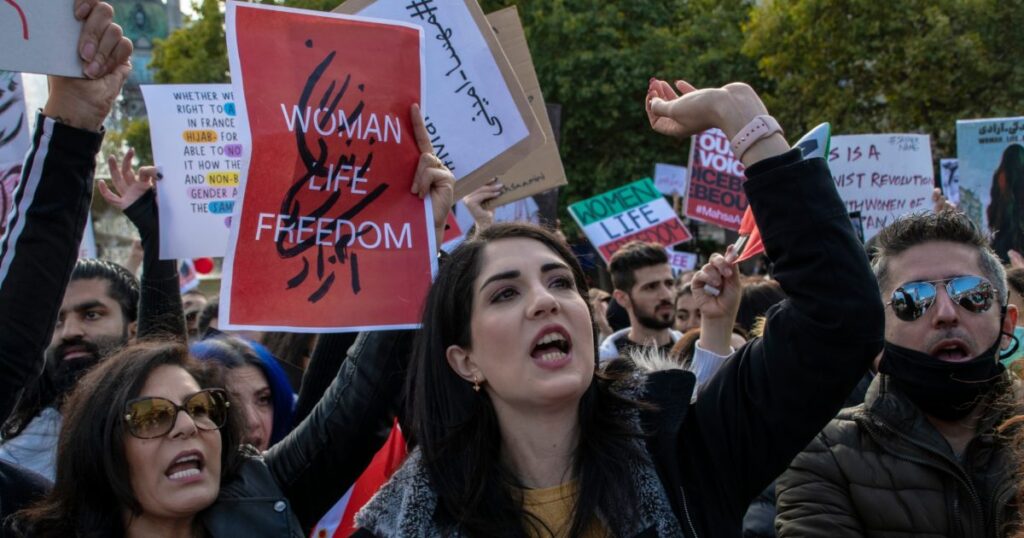
Despite these challenges, Iranian women have demonstrated remarkable resilience and activism. From grassroots campaigns to social media movements, women continue to fight for legal reforms, social freedoms, and cultural recognition. Initiatives like the “White Wednesdays” campaign, where women protest mandatory hijab laws by wearing white scarves, exemplify creative forms of resistance.
Legal challenges and public protests have sometimes led to incremental victories, though these are often met with countermeasures by the state. Activists face arrests, intimidation, and imprisonment, highlighting the risks inherent in advocating for female rights in a repressive environment. Nevertheless, the persistence of these movements underscores the determination of Iranian women to assert their autonomy and challenge systemic inequalities.
Impact on Society and Economy
The regression of women’s rights in Iran has far-reaching social and economic consequences. Restricting women’s participation in the workforce and public life limits economic productivity, innovation, and social development. It also reinforces cycles of inequality, as reduced educational and professional opportunities hinder women’s ability to contribute fully to society.
Psychologically, these restrictions create significant stress, fear, and frustration among women, with implications for mental health and societal cohesion. The suppression of female voices also reduces diversity in decision-making processes, affecting governance, policy, and cultural evolution. In essence, the rollback of rights is not only an individual injustice but a broader societal setback.
International Perspective and Pressure
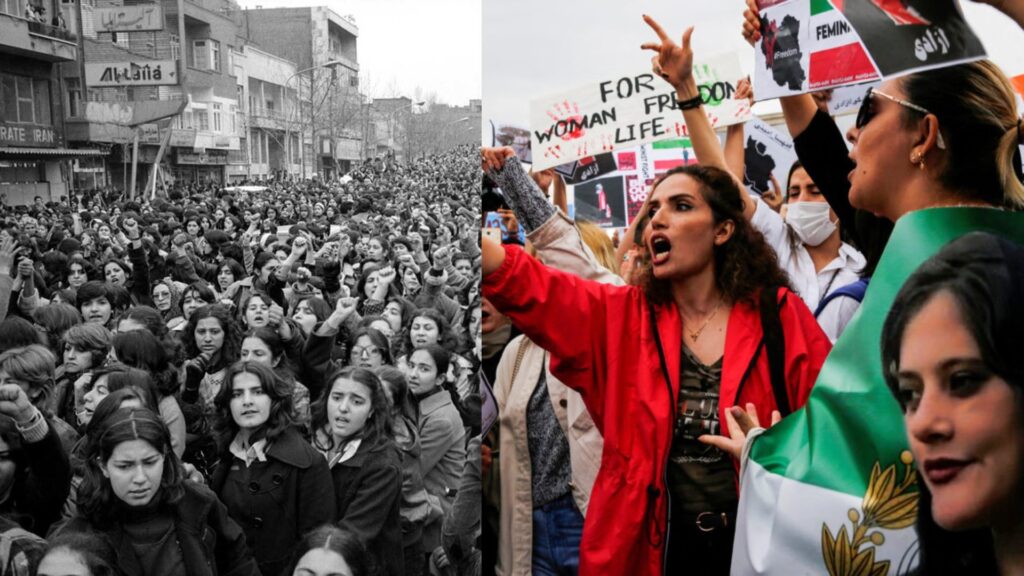
The international community has expressed concern over the regression of women’s rights in Iran. Human rights organizations and global media highlight violations of personal freedoms, restrictions on movement, and discriminatory laws. While international pressure has occasionally influenced policy debates, the Iranian government often frames external criticism as cultural interference, limiting the effectiveness of global advocacy.
Despite these challenges, transnational networks and diaspora communities provide support for Iranian women’s movements. Online campaigns, scholarships, and advocacy platforms amplify their voices, creating global solidarity that strengthens local resistance and draws international attention to systemic injustices.
The Path Forward
Addressing the regression of female rights in Iran requires a multifaceted approach. Legal reforms must dismantle discriminatory laws and enforce protections for women’s autonomy. Social campaigns and educational initiatives can challenge entrenched gender norms, while international advocacy can provide support and visibility.
Equally important is empowering Iranian women themselves, recognizing their resilience and capacity to lead change. Grassroots activism, civil society engagement, and digital mobilization remain critical tools in advancing gender equality. While progress may be slow and incremental, the persistence of Iranian women suggests that meaningful change is possible, even in the face of significant structural barriers.
Conclusion
The erosion of women’s rights in Iran is a stark reminder that freedom and equality are never guaranteed, and that progress must be continually defended. Legal restrictions, cultural pressures, and political repression have curtailed autonomy, limited opportunities, and created an environment of systemic inequality. Yet Iranian women continue to resist, advocate, and innovate, challenging barriers both openly and creatively.
The struggle for female rights in Iran is both a national and global concern. Supporting these efforts requires recognition of the complex interplay between law, culture, and activism, as well as solidarity with those risking personal safety to claim their rights. Ultimately, the story of Iranian women reflects a broader truth: the fight for equality is ongoing, and progress, once made, must never be taken for granted.