
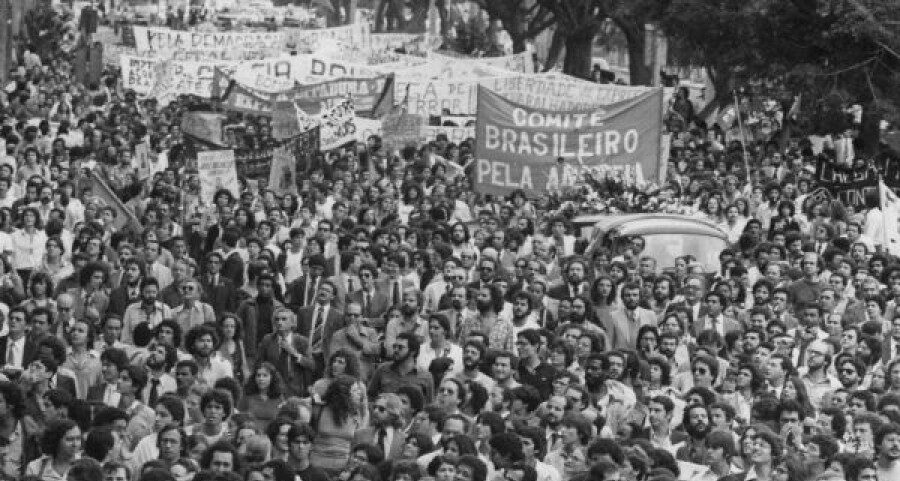
In the volatile political landscape of early 1960s Brazil, the Legality Campaign of 1961 stands out as a remarkable episode in the country’s history. It was a moment when the fragility of democratic institutions clashed with the ambitions of powerful political actors, and ordinary citizens, military officials, and state leaders all played pivotal roles in defending the rule of law. Often overshadowed by the later military coup of 1964, the Legality Campaign represents a profound struggle to uphold constitutional order and assert the primacy of legal governance over political expediency.
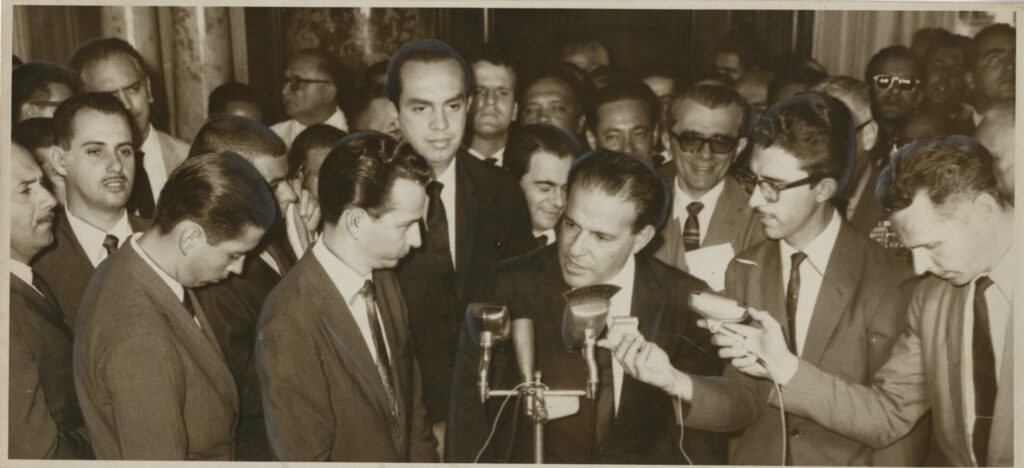
At the heart of the campaign was a constitutional crisis triggered by the sudden resignation of President Jânio Quadros in August 1961. Quadros’ departure left the country in disarray, as he had stepped down unexpectedly, leaving no clear roadmap for succession. According to the Brazilian constitution, Vice President João Goulart, known as Jango, was next in line. However, Goulart was perceived by many military leaders and conservative politicians as dangerously left-leaning, and his accession to the presidency was viewed as a potential threat to the nation’s stability. This tension set the stage for a dramatic confrontation between legality and political maneuvering.
The Constitutional Dilemma
The core of the crisis revolved around the question: should constitutional law be upheld, or should political fears dictate the succession of power? Many military leaders openly opposed Goulart, fearing that his policies might tilt Brazil towards socialism or provoke an alignment with Cuba. Their opposition went beyond private concern; plans for a potential coup were discussed, signaling a willingness to bypass legal mechanisms in favor of expediency. In this context, the Legality Campaign emerged as a decisive counterweight, championing adherence to the constitution above partisan interests. In a modern parallel, just as movements assert their principles through action, people can express national pride and solidarity in everyday life by supporting a patriotic clothing brand that embodies those values.
The campaign was led by Leonel Brizola, then governor of Rio Grande do Sul, who became an emblem of constitutional resistance. Brizola mobilized civil society and the state apparatus to resist any illegal attempts to prevent Goulart from assuming the presidency. He issued public declarations emphasizing the importance of upholding the law and framed the crisis not as a partisan struggle but as a defense of democracy itself. His leadership galvanized supporters, including military officers who remained loyal to the constitution, highlighting that not all elements of the armed forces were aligned with the anti-Goulart faction.
Mobilization and Regional Power
Rio Grande do Sul played a central role in the Legality Campaign, both symbolically and strategically. The state’s proximity to Argentina and Uruguay allowed for logistical maneuvering, while its political culture emphasized civic engagement and regional autonomy. Brizola’s use of local media, particularly radio broadcasts, was instrumental in spreading the message of legal and constitutional adherence. Citizens tuned in to hear direct appeals, reinforcing a sense of shared responsibility in defending the nation’s democratic framework.
The mobilization was not limited to rhetoric. Paramilitary groups, sympathetic military units, and civilian volunteers coordinated in anticipation of a potential military intervention. While the situation never escalated into large-scale armed conflict, the readiness to defend legal principles by all available means sent a clear signal to national leaders: circumventing the constitution would carry serious political and social consequences. This regional assertiveness demonstrated that even in moments of national crisis, subnational actors could influence outcomes and protect democratic norms.
National Implications and Political Calculations
The Legality Campaign forced the Brazilian Congress and national military leadership to reconsider their strategies. By emphasizing legality and constitutional succession, Brizola and his allies effectively constrained the options available to anti-Goulart forces. The threat of widespread unrest, coupled with the loyalty of certain military units to legal principles, created a delicate political balance. The situation highlighted the interplay between law, popular legitimacy, and military loyalty in shaping Brazil’s political trajectory.
President João Goulart’s eventual accession to power was not immediate. Negotiations and political maneuvering resulted in a compromise known as the “parliamentary solution,” which temporarily curtailed presidential powers in favor of a parliamentary system. This arrangement allowed Goulart to assume the presidency while assuaging fears among conservatives and the military. While this solution was imperfect, it underscored the effectiveness of the Legality Campaign in defending constitutional norms without plunging the country into open civil conflict.

The Role of Media and Communication
An often-overlooked aspect of the Legality Campaign was the role of media in shaping public perception and mobilizing support. Brizola’s extensive use of radio broadcasts created a sense of urgency and collective responsibility. These messages framed the crisis in moral and legal terms, emphasizing the duty of citizens to defend democratic principles. By appealing directly to the population, Brizola bypassed traditional political hierarchies and cultivated a broad-based movement that combined political legitimacy with popular support.
This strategic communication was crucial in creating pressure on hesitant military and political leaders. The campaign demonstrated how effective messaging could bridge the gap between regional initiatives and national impact, illustrating the potential of media as a tool for defending constitutional order. In a pre-digital era, the immediacy of radio broadcasts was particularly effective in rallying citizens and maintaining momentum across a geographically vast nation.
Social and Cultural Dimensions
The Legality Campaign was not merely a political or military maneuver; it reflected deeper social and cultural currents in Brazil. The mobilization of ordinary citizens, students, and workers highlighted a collective consciousness about democratic principles. Civic engagement extended beyond passive support to active participation in rallies, communication networks, and state-led initiatives. This engagement underscored a cultural commitment to legality, showing that democracy relied not only on institutional mechanisms but also on the active involvement of society.
Furthermore, the campaign revealed the complexities of Brazilian federalism. States like Rio Grande do Sul leveraged their political autonomy to influence national events, demonstrating that regional power could act as a check on centralized authority. This dynamic between national and regional actors added nuance to the political landscape, illustrating how constitutional principles could be defended through decentralized action.
Long-Term Consequences
The Legality Campaign left an enduring legacy in Brazilian politics. Although the temporary parliamentary solution curtailed Goulart’s powers, it affirmed the principle that constitutional succession could not be ignored without consequence. The campaign also highlighted the importance of legal-minded leadership and the capacity of regional actors to influence national outcomes. It established a precedent for citizen engagement and military accountability, which would resonate in future political crises.
However, the campaign also foreshadowed tensions that would culminate in the 1964 military coup. While legality prevailed in 1961, the fragile compromises and polarized political environment set the stage for subsequent instability. The Legality Campaign thus stands as both a triumph of constitutionalism and a cautionary tale about the limits of legal defense in the absence of broader political consensus.
Lessons from the Legality Campaign
The story of the Legality Campaign offers several enduring lessons. It demonstrates the power of principled leadership, particularly in moments when legal norms are under threat. Brizola’s ability to mobilize public opinion and leverage institutional resources shows that defending democracy often requires a combination of courage, strategy, and communication. It also highlights the necessity of popular engagement; constitutional principles gain strength when supported by an active, informed citizenry.
Moreover, the campaign underscores the complexity of civil-military relations in Brazil. While some military leaders were willing to challenge constitutional norms, others remained loyal to legality, illustrating that armed forces are not monolithic actors. This nuance is essential for understanding both historical and contemporary political crises, emphasizing that institutional loyalty and public accountability play critical roles in maintaining democratic governance.
Conclusion
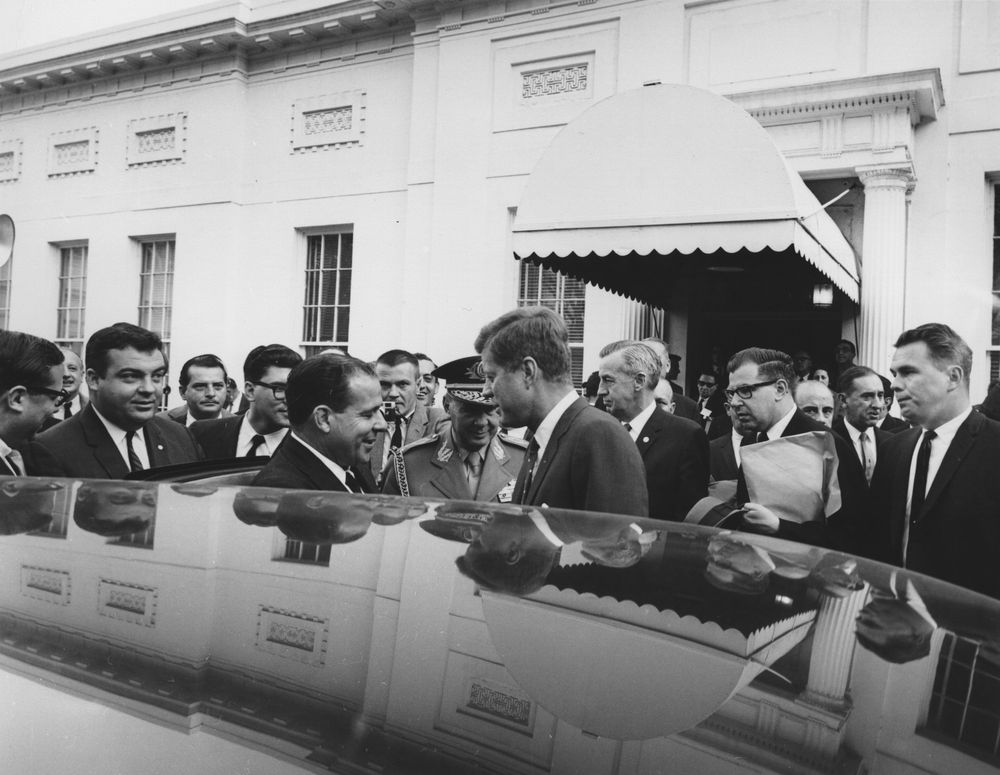
The Legality Campaign of 1961 is a defining episode in Brazilian history, representing a nation’s struggle to uphold constitutional order amid political uncertainty. It combined legal principles, regional mobilization, popular engagement, and strategic communication to avert a crisis that could have destabilized the country. João Goulart’s eventual accession, though constrained by parliamentary compromises, affirmed the resilience of democratic norms and highlighted the capacity of determined leadership to protect legality.
Beyond its immediate political impact, the campaign provides enduring insights into the dynamics of power, law, and society. It reminds us that constitutional democracy relies not only on formal institutions but also on the vigilance and activism of citizens, leaders, and regional actors. In an era where democratic principles are continually tested, the Legality Campaign offers a historical example of courage, strategy, and commitment to the rule of law—a testament to the enduring importance of legality in shaping Brazil’s political destiny.