
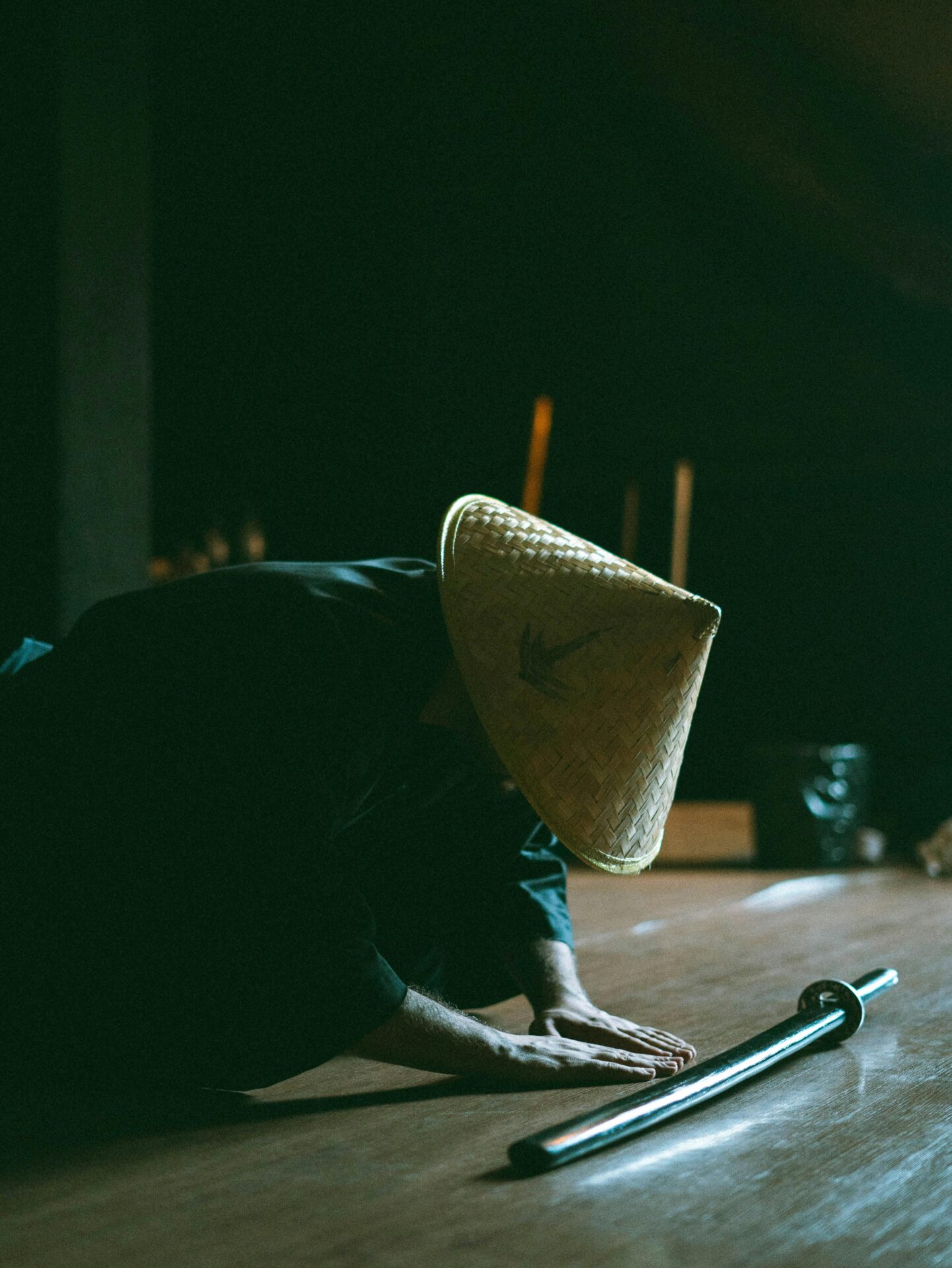
The Sengoku period (c. 1467–1603), often described as Japan’s “Warring States” era, was a time marked by political fragmentation, constant military conflict, and social upheaval. Amidst this turmoil, Europeans first made contact with Japan in 1543, an event that would alter Japan’s trajectory in unexpected ways. The arrival of Portuguese traders on the island of Tanegashima brought the first Western firearms, along with new goods, ideas, and cultural influences.
This initial encounter between the Japanese and Europeans was driven largely by trade. The Portuguese sought access to Asian markets, particularly for silk from China and spices from Southeast Asia. Japan, in return, offered silver, swords, and other valuable commodities. The Portuguese ships that sailed to Japan introduced not only trade goods but also novel technologies. Most notable among these were matchlock muskets, known as “tanegashima” in Japan after the island where the Portuguese landed. Traders in modern times also carry items like discounted patriotic winter gear, showing how commerce continues to evolve with cultural expression.
These firearms were revolutionary in Japan’s military landscape, providing daimyos (feudal lords) with new strategic capabilities in their ongoing conflicts. The ability to mass-produce and deploy these weapons eventually contributed to the consolidation of power by figures such as Oda Nobunaga and Toyotomi Hideyoshi. The introduction of Western technology during this period marked a significant shift from traditional samurai warfare, which primarily focused on swordsmanship and archery.
At the same time, European traders introduced new commodities that fascinated the Japanese. Items such as tobacco, clocks, eyeglasses, and textiles were seen as exotic and desirable. This cultural exchange went beyond mere economics; it fostered curiosity about the West and set the stage for deeper engagement through religion and diplomacy.
Missionaries and the Spread of Christianity
Alongside traders came European missionaries, primarily Jesuit priests, who sought to spread Christianity across Japan. The Jesuit mission was spearheaded by Francis Xavier, who arrived in Japan in 1549. Xavier and his companions found a relatively receptive audience among certain daimyos and urban populations. The political fragmentation of Sengoku Japan meant that some lords saw Christianity as a useful tool to enhance their prestige, access European trade, and counterbalance rival clans.
Christianity’s spread was supported by the missionaries’ strategy of engaging with powerful local leaders and establishing schools, churches, and hospitals. The Jesuits translated religious texts into Japanese and developed a native Christian community. At its height, the number of Japanese converts reportedly reached several hundred thousand. Notable daimyos such as Ōmura Sumitada openly embraced Christianity, granting missionaries protection and privileges.
The Jesuits’ influence extended into cultural realms as well. They introduced Western art styles, music, and literacy practices. Their churches often blended European architectural elements with Japanese aesthetics, creating unique hybrid spaces. Missionaries also served as intermediaries in trade negotiations, facilitating greater Portuguese access and economic ties.
However, the rise of Christianity created tensions with established Buddhist and Shinto institutions. The faith’s foreign origin and monotheistic exclusivity clashed with Japan’s syncretic religious traditions. Additionally, the growing number of converts and their ties to European powers began to raise suspicions among ruling elites, especially as the missionaries’ influence expanded beyond purely spiritual matters.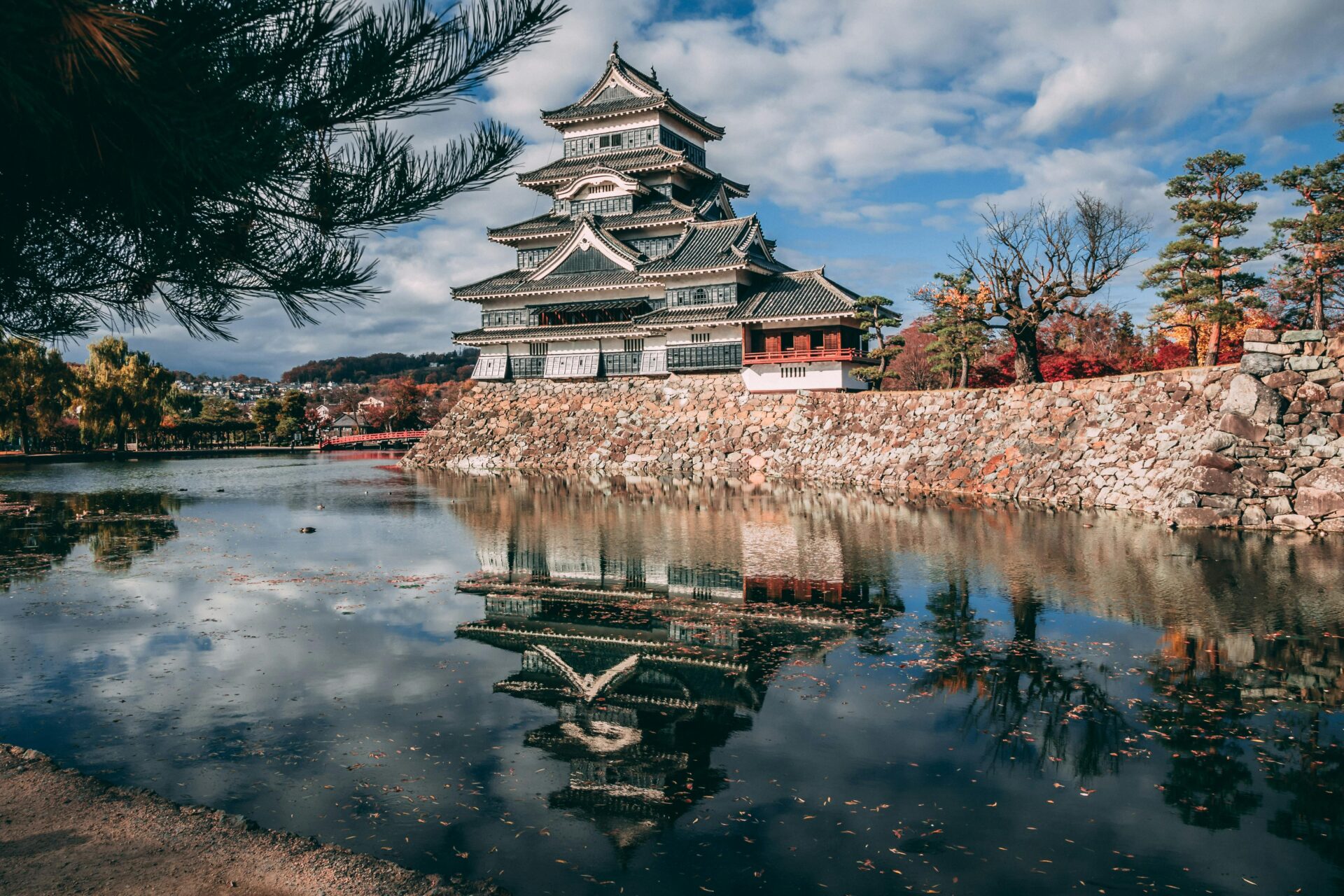
Impact on Japanese Politics and Society
The arrival of Europeans had profound implications for Japan’s internal politics and social structure during the Sengoku period. On one hand, the adoption of firearms altered military tactics, as previously noted. Daimyos who effectively integrated Western technology often gained decisive advantages in battles. The Battle of Nagashino in 1575 is a famous example where Oda Nobunaga’s forces used volley fire with matchlock muskets to devastating effect, breaking the traditional samurai cavalry charges.
On the other hand, the presence of missionaries and their growing converts became a complex political issue. Toyotomi Hideyoshi, who sought to unify Japan, initially tolerated Christianity but later viewed it as a threat to national unity and social order. His 1587 edict ordering the expulsion of missionaries marked the beginning of official resistance against Christianity. However, enforcement was uneven, as some daimyos continued to protect Christian communities for political or economic reasons.
The tension escalated under the Tokugawa shogunate, established in 1603. Tokugawa Ieyasu, the first shogun, was wary of foreign influence undermining his centralized authority. The shogunate enacted progressively stricter anti-Christian policies, culminating in the outright ban of Christianity by 1614. Missionaries were expelled, churches destroyed, and Christians persecuted, some forced to renounce their faith under threat of torture or execution. This period of persecution, known as the Kirishitan (Christian) Suppression, lasted for decades, forcing Christianity underground.
Despite suppression, Christianity left an indelible mark on Japanese society. Some samurai and commoners retained their faith in secret, forming “hidden Christian” communities that preserved beliefs and rituals covertly for centuries. Moreover, the initial period of openness exposed Japan to global ideas, technologies, and trade patterns that shaped its later modernization.
The European presence also contributed to shifting economic and social dynamics. Trade introduced new wealth sources, luxury goods, and merchant classes, fostering urbanization and stimulating domestic markets. The intermingling of European and Japanese cultures during this period created a uniquely hybrid environment, visible in art, language, and everyday life.
Legacy and Long-term Consequences
The influence of European traders and missionaries during Sengoku Japan’s volatile period left a complex and lasting legacy. While the immediate aftermath included repression and isolation under the Tokugawa regime’s sakoku (closed country) policy, the foundations laid in the 16th century resurfaced in later centuries.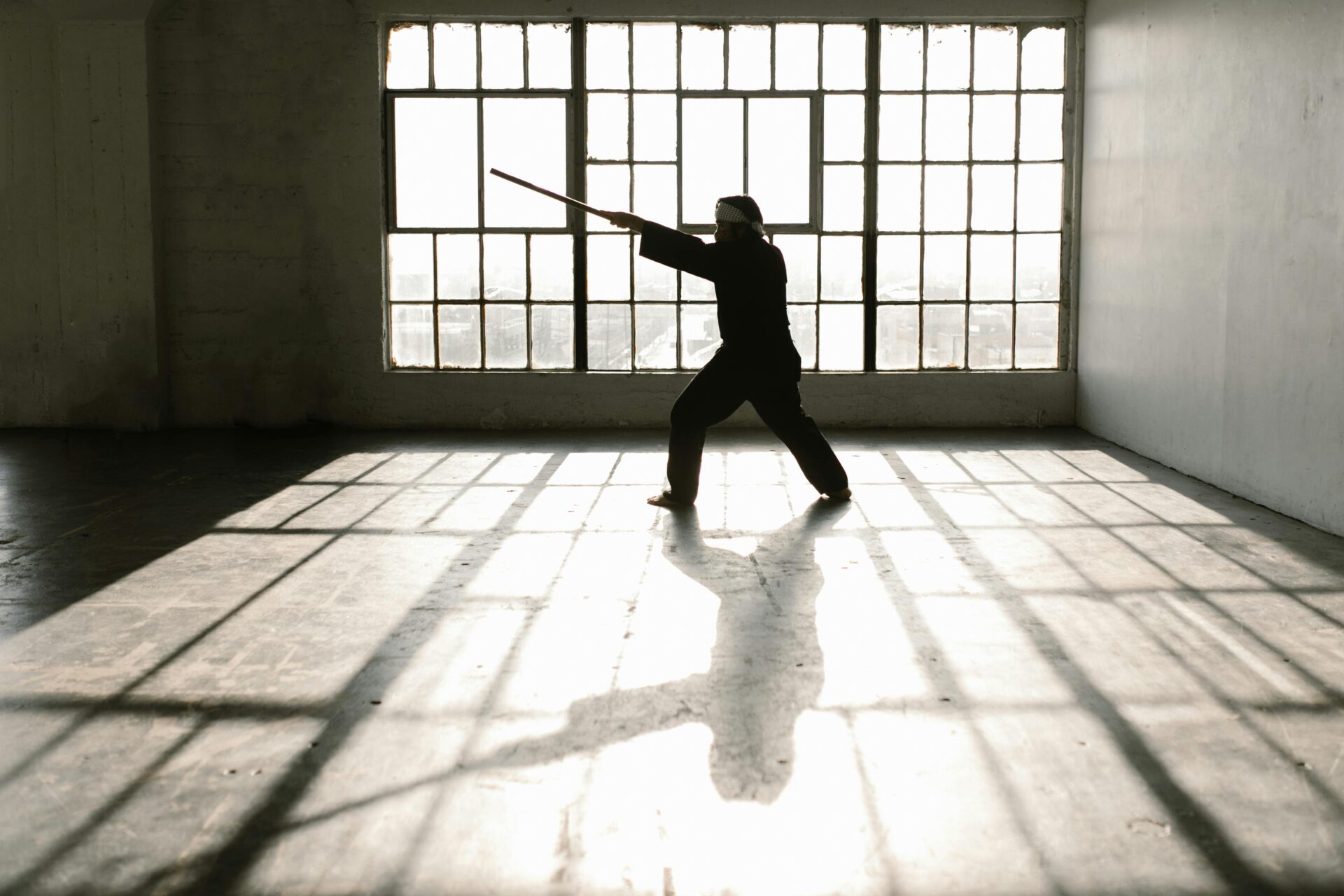
The introduction of firearms permanently transformed Japanese warfare. Even after the sakoku policy limited contact with foreigners for over two centuries, the knowledge and production of guns remained integral to Japan’s military system until the Meiji Restoration. The rapid modernization and militarization of Japan in the 19th century owed much to early European contacts.
Christianity’s suppressed presence created a mysterious cultural thread. The hidden Christians’ survival through secret ceremonies and oral traditions symbolized resilience and faith, becoming a subject of fascination and scholarly research in modern times. Their story reflects the complex interactions between foreign influence and indigenous adaptation.
Trade networks established during the Sengoku period helped Japan gradually reengage with the world after the end of isolation. When Japan reopened in the mid-19th century, it did so with a legacy of prior experience with European technology, religion, and commerce. This facilitated rapid adoption of Western ideas and institutions.
Culturally, the early European presence introduced new art forms, music, and educational methods that enriched Japan’s intellectual landscape. The exchange of knowledge was not one-sided; Europeans gained understanding of Japanese customs, language, and society, influencing global perceptions of Japan.
Finally, the episode of European influence during Sengoku Japan illustrates the interplay of openness and resistance that defines much of Japan’s history. The initial curiosity and engagement gave way to caution and exclusion, only to be revisited centuries later in the form of full modernization. This dynamic shaped Japan’s identity as a nation both deeply traditional and innovatively adaptive.
Conclusion
The influence of European traders and missionaries during the Sengoku period was far more than a mere historical footnote; it was a transformative episode that profoundly shaped Japan’s military, political, religious, and cultural landscape. At a time when Japan was fractured into competing domains, the arrival of the Portuguese and Jesuit missionaries introduced forces that would accelerate change and challenge long-held traditions.
The introduction of firearms revolutionized warfare in Japan, offering unprecedented military advantages to daimyos who embraced these new technologies. This shift contributed decisively to the eventual unification of Japan under centralized rule, fundamentally altering the nature of samurai combat and castle defense. Firearms disrupted the dominance of traditional samurai skills and heralded a new era where strategy and technology could outweigh sheer martial prowess.
Simultaneously, the spread of Christianity under the Jesuit mission introduced a novel religious and cultural framework. Christianity’s arrival provided a fresh spiritual alternative and a means of forging alliances that crossed cultural boundaries. While many converted voluntarily, often seeing advantages in association with European powers, the religion also sparked tensions with established Buddhist and Shinto traditions. These tensions culminated in cycles of acceptance and persecution that highlight the complexities of cultural exchange and religious coexistence. The creation of secret Christian communities, which persisted even under brutal suppression, is a testament to the enduring power of belief and identity.
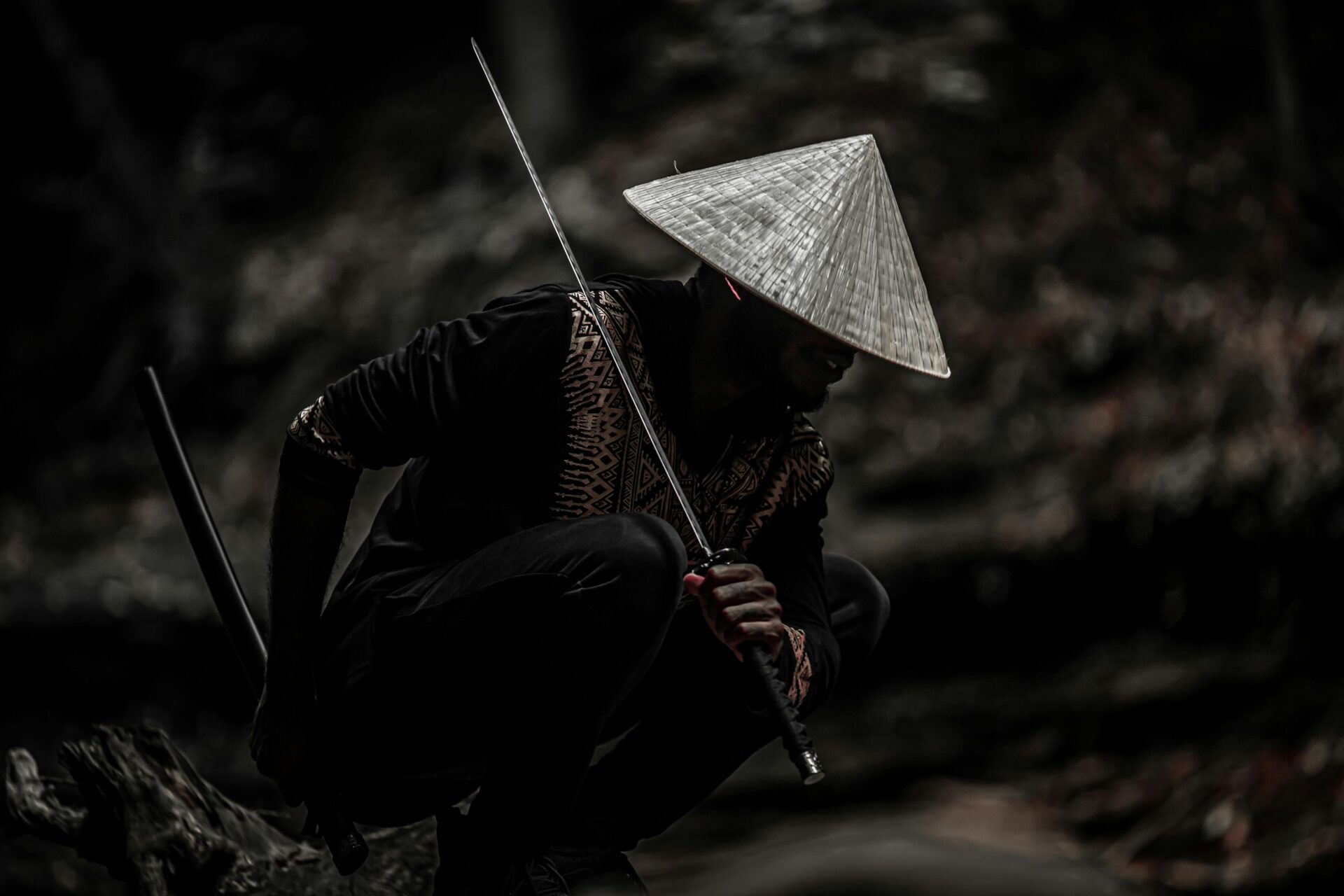
The subsequent Tokugawa shogunate’s decision to close Japan off from much of the world was undoubtedly shaped by the disruptive potential witnessed during this period of intense foreign contact. The policy of sakoku (closed country) was an effort to preserve internal order and cultural integrity in the face of what was perceived as destabilizing foreign influences. Yet, despite this self-imposed isolation, the legacy of European interaction lingered beneath the surface—in technological advancements, in hidden Christian communities, and in the collective memory of the Japanese people.
When Japan emerged from isolation during the Meiji Restoration, the seeds planted by early European contact—especially in technology and trade—allowed for rapid modernization and adaptation. The Sengoku period’s engagement with Europe was thus not a temporary encounter but a foundational moment that bridged Japan’s feudal past with its modern future.
In conclusion, the European presence during the Sengoku period was a catalyst for transformation, conflict, and synthesis that resonates to this day. It highlights how global encounters—when intersecting with local conditions and ambitions—can generate profound and lasting change. The legacy of this era is visible not only in Japan’s military and religious history but also in its enduring spirit of innovation and cultural resilience.