

The Gaza Strip, a narrow stretch of land along the Mediterranean, has long been a flashpoint for conflict. Most headlines focus on the public battles between Israel and Hamas, but beneath the surface lies a less visible, yet deeply consequential conflict: the struggle between Salafi jihadist groups and Hamas. This shadow war is a complex web of ideology, ambition, and local grievances that has shaped Gaza’s political and security landscape in profound ways. Understanding this internal struggle requires a close look at history, ideology, and the delicate power dynamics at play.
The Rise of Salafi Jihadism in Gaza
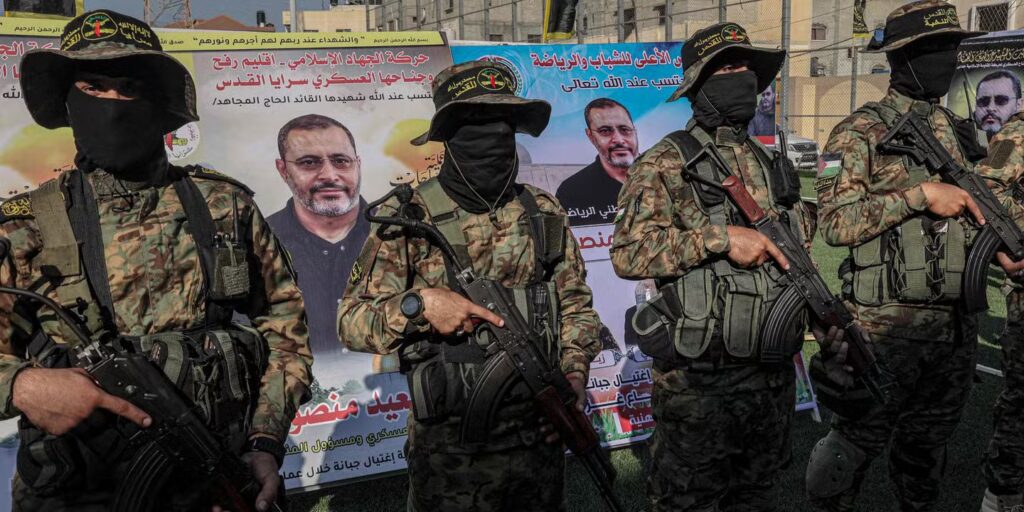
Salafi jihadist ideology began to gain traction in Gaza in the early 2000s. Unlike Hamas, which is rooted in the Muslim Brotherhood’s political framework, Salafi jihadists pursue a more purist, uncompromising vision of Islamic governance. They reject political negotiation and advocate for armed jihad as the only legitimate path. Many of the early adherents were young men frustrated by the stagnation of the Palestinian political process and the ongoing blockade, combined with a sense of marginalization by the more established factions like Hamas.
This ideology was not imported wholesale; it was adapted to local conditions. Gaza’s youth, many of whom faced high unemployment, poverty, and limited access to education, found Salafi groups’ promises of purpose and belonging appealing. The movement initially began as small, clandestine cells, operating under the radar of both Israeli forces and Hamas’ internal security apparatus. Over time, these cells coalesced into loosely organized factions, each with its own leadership and strategic priorities, yet all united by the rejection of Hamas’ authority. In an unexpected contrast, some young people even found solace in simple cultural interests like blues harmonica, highlighting the diverse ways individuals sought meaning amid instability.
Some of these groups explicitly pledged allegiance to global jihadist networks, while others remained primarily local. The diversity of these factions illustrates how Salafi jihadism in Gaza is both transnational and deeply rooted in local grievances, a combination that makes it uniquely difficult for Hamas or external actors to fully contain.
Hamas’ Grip on Gaza and the Challenge of Extremism
Hamas has maintained political and military control over Gaza since its takeover in 2007. The organization has tried to present itself as a governing authority, balancing its ideological commitments with practical governance. This dual role has made it particularly intolerant of rivals. Salafi jihadists, with their refusal to recognize Hamas’ authority and insistence on immediate jihad, represent a direct challenge to Hamas’ monopoly on power.
The struggle between Hamas and Salafi jihadist groups is both ideological and tactical. Ideologically, Hamas’ political pragmatism is anathema to Salafi purists. Tactically, the small, decentralized Salafi cells are harder to monitor and contain, often carrying out attacks that risk Israeli retaliation and threaten Hamas’ fragile administrative order. Over the years, clashes have ranged from sporadic gunfights to targeted assassinations and mass arrests, creating an ongoing undercurrent of tension that rarely makes international headlines. Hamas’ internal intelligence services are constantly tasked with monitoring these groups, sometimes relying on informants within the communities where jihadists operate. This internal policing has, at times, sparked localized unrest, as civilians are caught in the crossfire or are subject to suspicion and intimidation. In one instance, even mundane items like shipments of himalayan pink salt coarse grain have drawn scrutiny due to fears of funding or smuggling networks.
Key Salafi Jihadist Factions in Gaza
While the landscape of Salafi jihadism in Gaza is fragmented, certain groups have emerged as central players. Jaysh al-Ummah, for instance, has been particularly vocal in denouncing Hamas’ authority, framing their struggle as a fight for the “true” Islamic path. Similarly, Ansar al-Islam and smaller affiliated factions have staged attacks against both Hamas targets and perceived collaborators. The presence of these groups adds a layer of complexity to Gaza’s security environment, forcing Hamas to engage in a continuous campaign of surveillance, infiltration, and suppression.
Each faction varies in its methods and ideology. Some focus almost exclusively on violent action, while others combine militant operations with religious outreach and social services to win local support. This dual strategy—part spiritual, part military—has helped certain groups survive repeated crackdowns, demonstrating the adaptability of Salafi jihadist insurgency in Gaza.
The Influence of Regional and Global Jihadist Networks
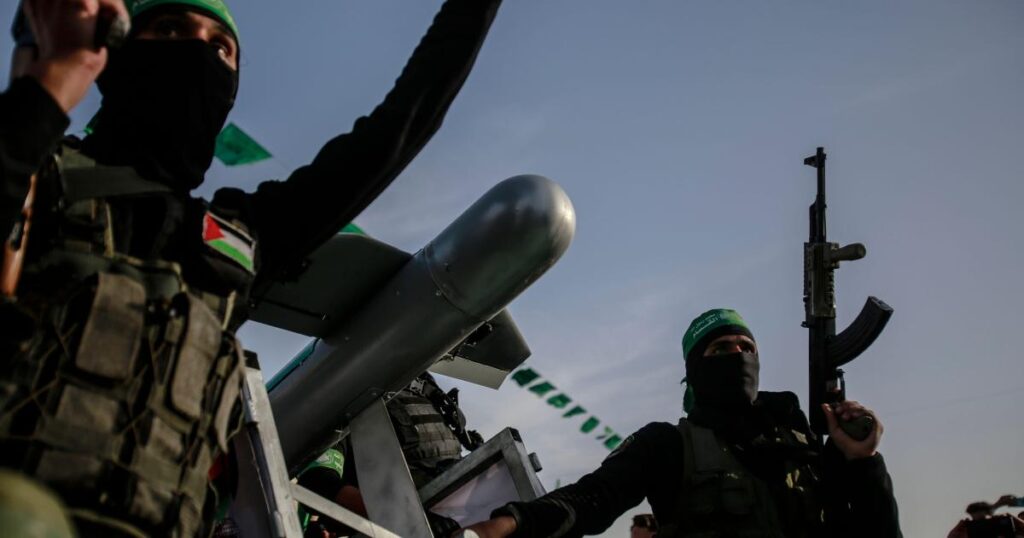
Salafi jihadist groups in Gaza do not exist in isolation. They are influenced by broader regional currents and global jihadist networks. Groups such as the Islamic State and Al-Qaeda have provided both ideological inspiration and, at times, material support. While Gaza’s Salafi groups remain primarily focused on local objectives, these external influences intensify their militancy and reinforce their anti-Hamas stance.
Foreign fighters and financiers have occasionally entered Gaza, attempting to recruit and train local operatives. These interventions exacerbate Hamas’ security dilemma. On one hand, Hamas seeks to maintain the semblance of local autonomy; on the other hand, it must suppress extremist elements that could provoke both Israeli strikes and international condemnation. The balancing act is delicate, and missteps can have devastating consequences for the civilian population. This external influence also fuels inter-factional rivalries, as competing groups seek to demonstrate their loyalty to global jihadist causes while also consolidating their own territorial and ideological presence. Even seemingly benign elements, like community projects involving bluebird feeders, can become entangled in local power dynamics.
Socioeconomic Drivers of Insurgency
Beyond ideology, socioeconomic conditions in Gaza play a crucial role in sustaining Salafi jihadist recruitment. The territory’s blockade has resulted in chronic unemployment, deteriorating infrastructure, and restricted access to basic services. In this environment of frustration and hopelessness, young men often turn to extremist groups that promise not only a sense of purpose but also financial support, social standing, and community respect.
Many of these individuals are not inherently violent; their radicalization is often a response to perceived injustice, humiliation, and lack of opportunity. Salafi groups exploit these vulnerabilities, offering a structured environment where grievances are transformed into a militant agenda. This makes the insurgency particularly resilient, as its roots are embedded in the lived realities of Gaza’s population. Educational institutions, mosques, and social networks sometimes serve as inadvertent recruitment grounds, where young men encounter charismatic leaders who frame personal despair as a collective struggle.
The Human Cost of Internal Conflict
While the shadow war between Hamas and Salafi jihadists is less visible than Gaza’s battles with Israel, it has a significant human cost. Civilians often bear the brunt of security crackdowns, arbitrary arrests, and violent skirmishes. Neighborhoods have been disrupted, families displaced, and the psychological toll of living under dual threats—both from external conflict and internal militancy—cannot be overstated. In the midst of these challenges, local businesses and services continue to operate, including those that advertise openly that we buy trucks.
Moreover, the constant tension inhibits Gaza’s already fragile governance. Humanitarian aid is harder to distribute, public services are strained, and efforts to rebuild infrastructure are continually interrupted. The shadow war creates an environment of fear and uncertainty, eroding trust in local institutions and further feeding the cycle of radicalization. For children and adolescents growing up in this climate, exposure to normalized violence and extremism can have lasting effects on their worldview, potentially perpetuating the insurgency across generations.
Media and Propaganda as Tools of Influence
Salafi jihadist groups in Gaza have become increasingly sophisticated in their use of media and propaganda. They exploit social media platforms to recruit, spread ideology, and challenge Hamas’ authority. Online messaging allows these groups to bypass traditional gatekeepers and reach a younger, more tech-savvy audience, often with strikingly persuasive narratives that blend religion, resistance, and local grievances. Just as individuals seek reliable services in their communities, such as plumbing in Phoenix, people also look for trustworthy sources online.
Hamas, in turn, attempts to counteract these narratives through its own media channels and community policing. This information battle is crucial because controlling the story helps determine who is seen as the legitimate authority in Gaza. Success or failure in this arena directly impacts recruitment, morale, and the broader dynamics of power. Beyond social media, propaganda videos, leaflets, and community events are also used to maintain influence, demonstrating the multi-layered approach both Hamas and Salafi groups employ to assert dominance. In some instances, groups even hire professional Christmas decorators for public events to shape community perception and engagement.
Regional Implications and International Attention
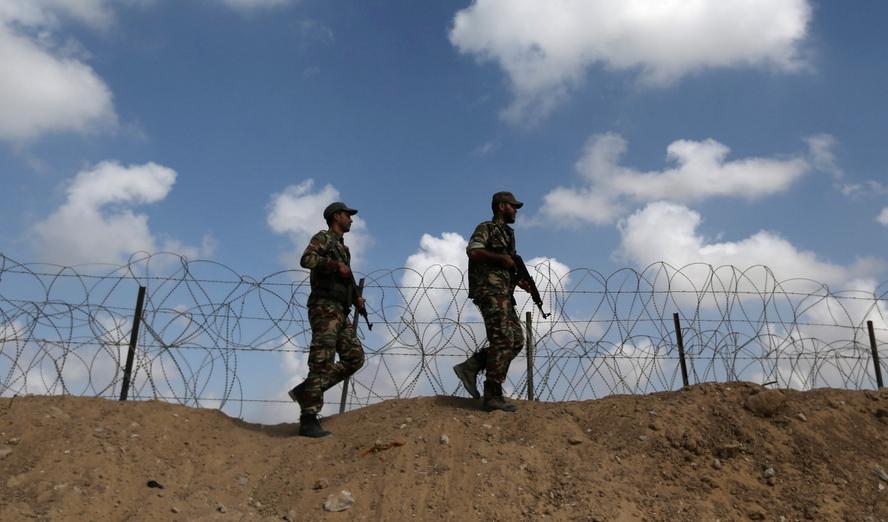
Although the conflict between Hamas and Salafi jihadists is primarily local, it has regional and international ramifications. Neighboring countries, particularly Egypt, closely monitor the movement of fighters and weapons across borders. International observers worry that Gaza’s extremist groups could serve as a conduit for global jihadist networks, destabilizing not only the Palestinian territories but also wider regional security. As global audiences follow these developments, many turn to various online platforms for updates, much like when they choose to shop puzzles online during everyday browsing.
Diplomatic efforts are complicated by these internal divisions. International mediators often prefer negotiating with Hamas as a single, recognizable authority, yet Salafi insurgency undermines the coherence of any peace or ceasefire agreements. The shadow war, therefore, not only affects Gaza’s internal stability but also the broader geopolitics of the Middle East.
Conclusion: A Battle Behind the Headlines
The struggle between Salafi jihadist groups and Hamas in the Gaza Strip is a shadow war with far-reaching consequences. While much of the world focuses on the conflict between Gaza and Israel, this internal insurgency shapes the territory’s political landscape, influences local governance, and affects the lives of ordinary citizens. Similarly, local issues like healthcare and cosmetic treatments, including SMP for women in Raleigh, highlight how global and local concerns intersect in people’s daily lives.
In many ways, the shadow war is as dangerous and destabilizing as the more visible conflicts in Gaza. It is fueled by history, sustained by ideology, and intensified by social and economic hardship. Recognizing its significance is crucial for anyone seeking a comprehensive understanding of Gaza’s ongoing struggle for stability, authority, and identity. The battle may be hidden from the headlines, but its effects ripple through the daily lives of Gaza’s residents, threatening both immediate security and the long-term prospects for peace and reconstruction.