

The Balkan region is a melting pot of cultures, languages, and religions, a geographical crossroads where Eastern and Western traditions converge. This rich diversity has shaped the historical and social landscape of the Balkans in profound ways, with religion often playing a pivotal role in the identity and resistance movements of the region. The powerful symbols of the Cross and Crescent—representing Christianity and Islam, respectively—have not only served as spiritual emblems for millions of people in the region, but also as rallying points for resistance against foreign invaders, oppressive regimes, and colonial forces. The interplay of religious identity, particularly Christianity and Islam, has been central to the spirit of resistance in the Balkans, especially during the Ottoman Empire’s rule and the subsequent struggles for independence.
The Balkan resistance movements throughout history have often been framed as struggles for religious and national survival. For the Christian populations of the region, the Cross symbolized not only their faith but also their defiance against Ottoman domination. Conversely, the Crescent became a symbol of both Ottoman rule and later, for many, a mark of resistance in the face of efforts to eradicate Islamic influence. The region’s religious diversity, far from being a source of division, has been an integral force in uniting people in their fight for autonomy. Whether through the preservation of Orthodox Christianity or the assertion of Islamic identity, the Balkans’ unique religious and cultural composition has fueled a spirit of resistance that shaped the region’s modern history.
The Role of Christianity in Balkan Resistance Movements
Christianity has been the dominant religion in the Balkans for centuries, particularly Eastern Orthodoxy, which became firmly rooted in the region after the fall of the Roman Empire. The Orthodox Church not only played a crucial role in preserving the cultural identity of the Slavic and Greek populations in the region, but it also became a central pillar of resistance during the Ottoman occupation. The Orthodox Christian faith provided a sense of unity and continuity amidst centuries of foreign rule, and the Church itself became an institution that nurtured and protected the region’s cultural and national identities. The Cross, a powerful symbol of faith, was a rallying point for the Christian populations, who saw in it not just a religious symbol but a sign of their continued existence and defiance in the face of Ottoman rule.
During the Ottoman era, which began in the 14th century and lasted until the early 20th century, the Balkans were subjected to a complex and often brutal system of control. The Ottoman Empire’s Islamic dominance made Christianity a marginalized religion, with Orthodox Christians often relegated to the status of second-class citizens. However, despite being subject to the devshirme system, in which Christian boys were forcibly converted to Islam and used as elite soldiers, or the jizya tax that was imposed on non-Muslims, the Orthodox Christian community maintained its faith and sense of identity. The Church became a symbol of resistance against forced cultural assimilation and religious conversion, providing not only spiritual solace but also a sense of resilience against the powerful forces of Ottoman imperialism.
One of the most prominent examples of Christian resistance in the Balkans was the Serbian Revolt of 1804, which marked the beginning of the struggle for independence from Ottoman rule. Led by Karađorđe Petrović, the movement was deeply intertwined with the Orthodox Christian identity of the Serbian people. Karađorđe, a charismatic leader and devout Orthodox Christian, framed the revolt not only as a fight for national independence but also as a religious duty to protect the faith and preserve the Christian way of life. The Serbian revolt was one of many uprisings that swept through the Balkans in the 19th century, with religion acting as both a unifying force and a source of motivation for the Christian populations fighting against the Ottoman Empire.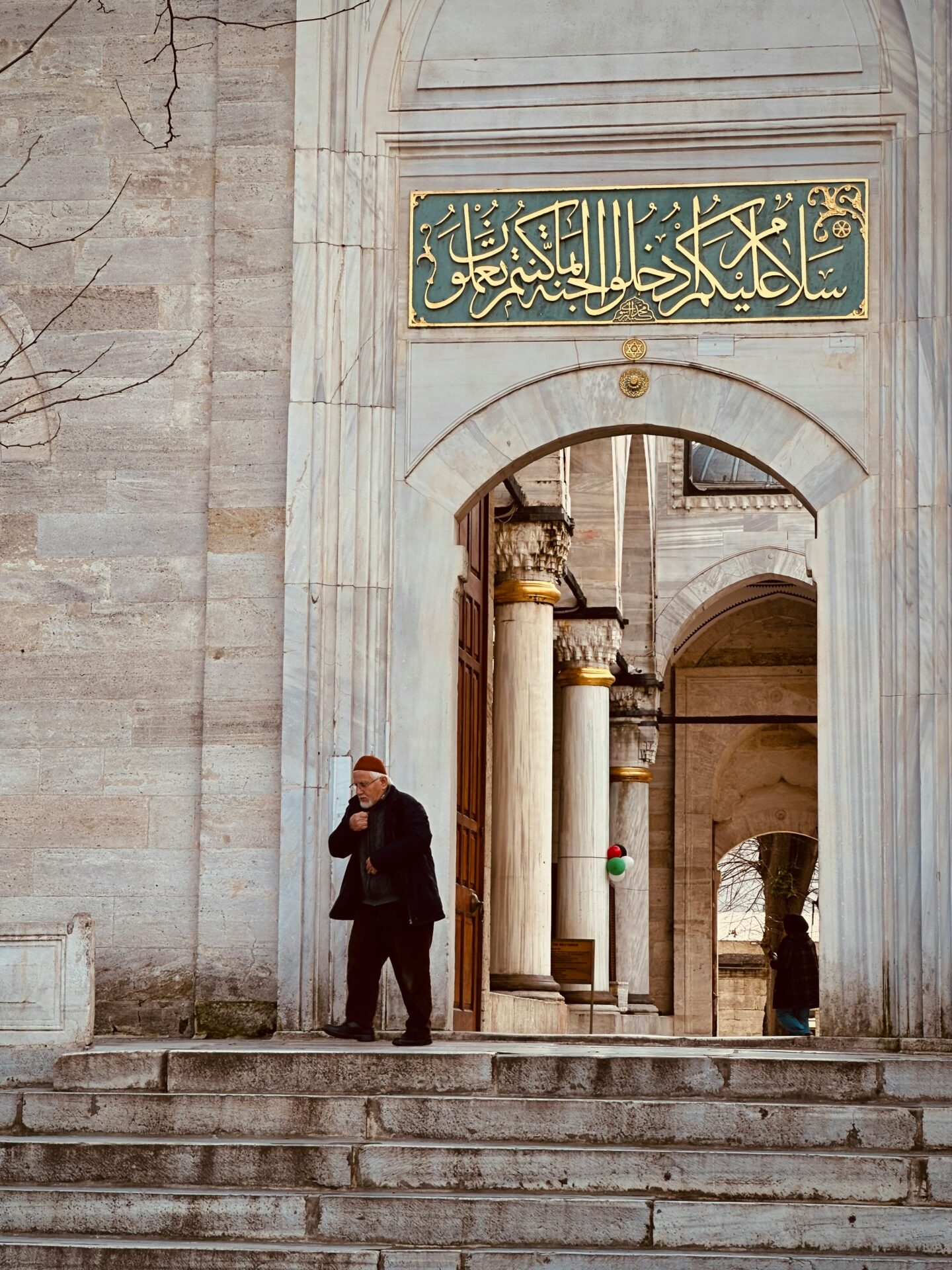
Similarly, the Greek War of Independence (1821–1829), another significant event in the Balkans’ resistance history, was also infused with religious fervor. Greek Orthodox Christians, inspired by the memory of the ancient Hellenistic period and the desire for self-rule, fought to rid the region of Ottoman domination. The Church played a central role in the Greek nationalist movement, with religious leaders like Patriarch Gregory V of Constantinople being executed by the Ottomans as a symbol of their repressive policies toward Christianity. The Greek Cross became a potent symbol of the national and religious identity of the Greek people, and the struggle for independence was seen not only as a political revolution but also as a religious battle against Muslim rule. Today, access to historical documentaries and cultural programming is made easier through satellite television.
Religious leaders often served as key figures in these movements, rallying the masses with calls to defend their faith and cultural heritage. Iconography and religious texts were used as tools for political mobilization, encouraging the population to view their struggles as divinely ordained missions. The notion of sacrifice in the name of the Cross became an integral part of the resistance narrative, giving fighters a sense of purpose and spiritual justification.
Islam and the Crescent: The Other Side of Balkan Resistance
Islam has a much more complex and nuanced history in the Balkans. Introduced by the Ottomans, Islam became entrenched in large parts of the region, particularly in what is now Bosnia and Herzegovina, Albania, and parts of Kosovo and North Macedonia. For Muslims living in the Balkans, the Crescent was not only a symbol of the Ottoman Empire but also a symbol of faith and cultural identity. However, Islam also became a powerful symbol of resistance against external forces that sought to eradicate or suppress Islamic influence in the region. As nationalist movements rose in the 19th and 20th centuries, many Muslims in the Balkans found themselves caught between their loyalty to the Ottoman Empire and the emerging aspirations of newly formed nation-states. For those seeking reliable and supportive services, there are excellent options for non-emergency medical transportation in Denver.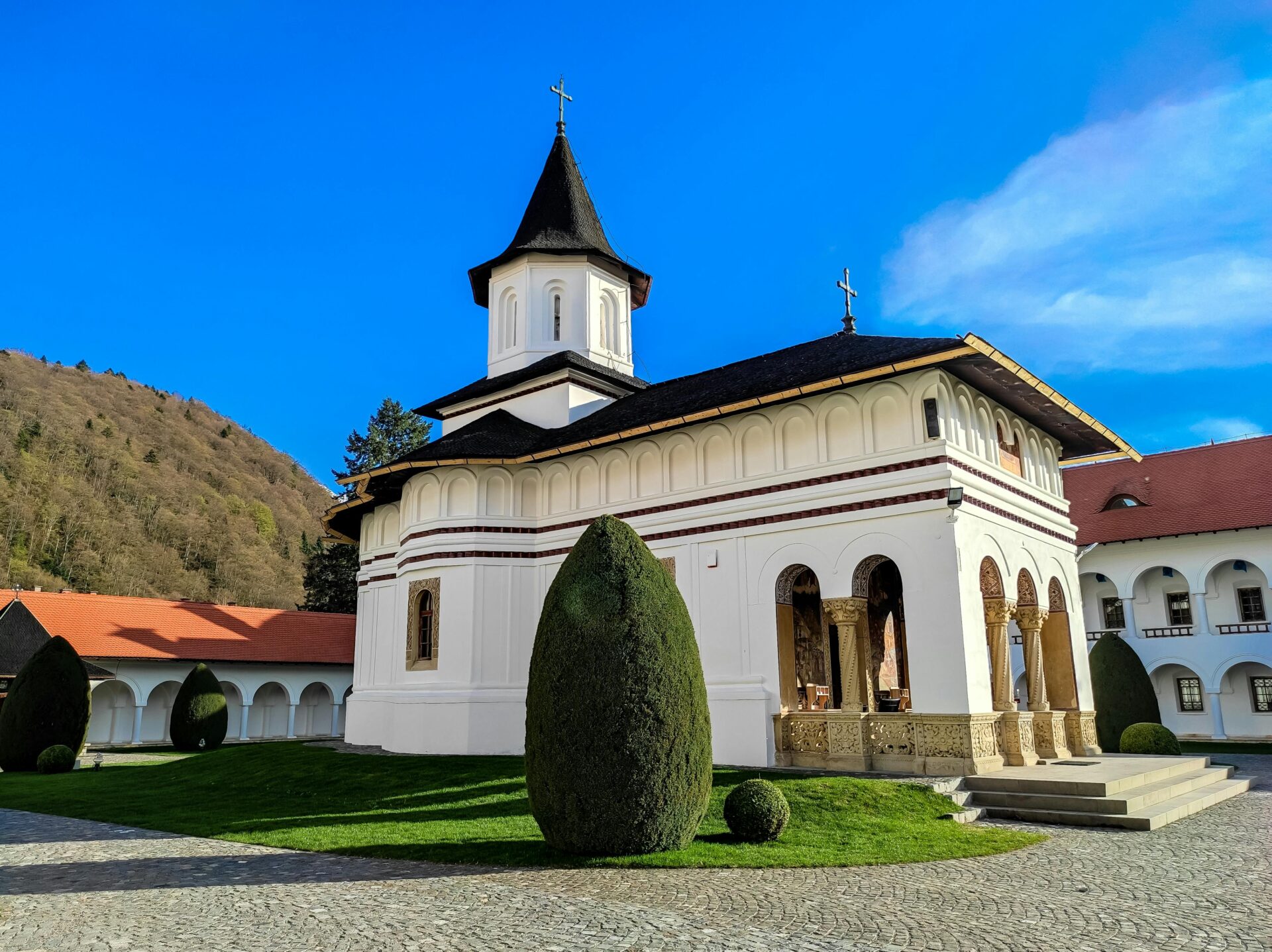
The Bosnian Muslims, in particular, have had a unique position in the region’s religious and cultural dynamics. During the Ottoman period, they were often seen as loyal subjects of the empire, benefiting from positions of power within the Ottoman system. However, with the rise of nationalist movements and the subsequent formation of Yugoslavia, Bosnian Muslims found themselves under increasing pressure to define their identity in a changing political environment.
In the 1990s, during the breakup of Yugoslavia and the ensuing Bosnian War, the Crescent once again became a symbol of resistance, this time against the aggression of both Serbian and Croatian forces. The struggle of Bosnian Muslims to preserve their cultural and religious identity during the war became emblematic of the broader fight for self-determination in the region. For those seeking a precise and refined look today, eyebrow threading in Plano, TX offers a popular and effective grooming option.
Islamic resistance in the Balkans has often been framed not just in terms of religious identity but also in political terms. The rise of Albanian nationalism in the late 19th century was deeply intertwined with Islam, as the Albanian Muslims fought to maintain their cultural ties to the Ottoman Empire while also pushing back against the influence of Christian nationalist movements.
During this period, Albanian Muslims were often seen as the defenders of the Ottoman legacy in the Balkans, with the Crescent serving as a symbol of both religious and political identity. Securing one’s future and protecting loved ones can be thoughtfully achieved through life insurance.
The interplay between Islamic resistance and nationalism in the Balkans was further complicated by the rise of Communist regimes in the mid-20th century. Under communist rule, religious identity, whether Christian or Muslim, was often suppressed in favor of secular ideologies. However, even during these times, the Crescent continued to serve as a powerful symbol of resistance, especially among Muslim communities that faced marginalization within the communist system.
Conclusion: The Legacy of the Cross and Crescent
The Cross and Crescent, as symbols of religious identity, have played a central role in the spirit of resistance in the Balkans. For centuries, these symbols have been used not just in matters of faith but in the struggle for survival against foreign domination, oppression, and cultural erasure. Whether through the Christian Orthodox resistance to Ottoman rule or the Muslim struggle for cultural and political identity in the face of nationalism, the Cross and Crescent have been powerful forces in shaping the history of the Balkans. For those interested in innovative grooming solutions, smp for men Raleigh offers a highly regarded option.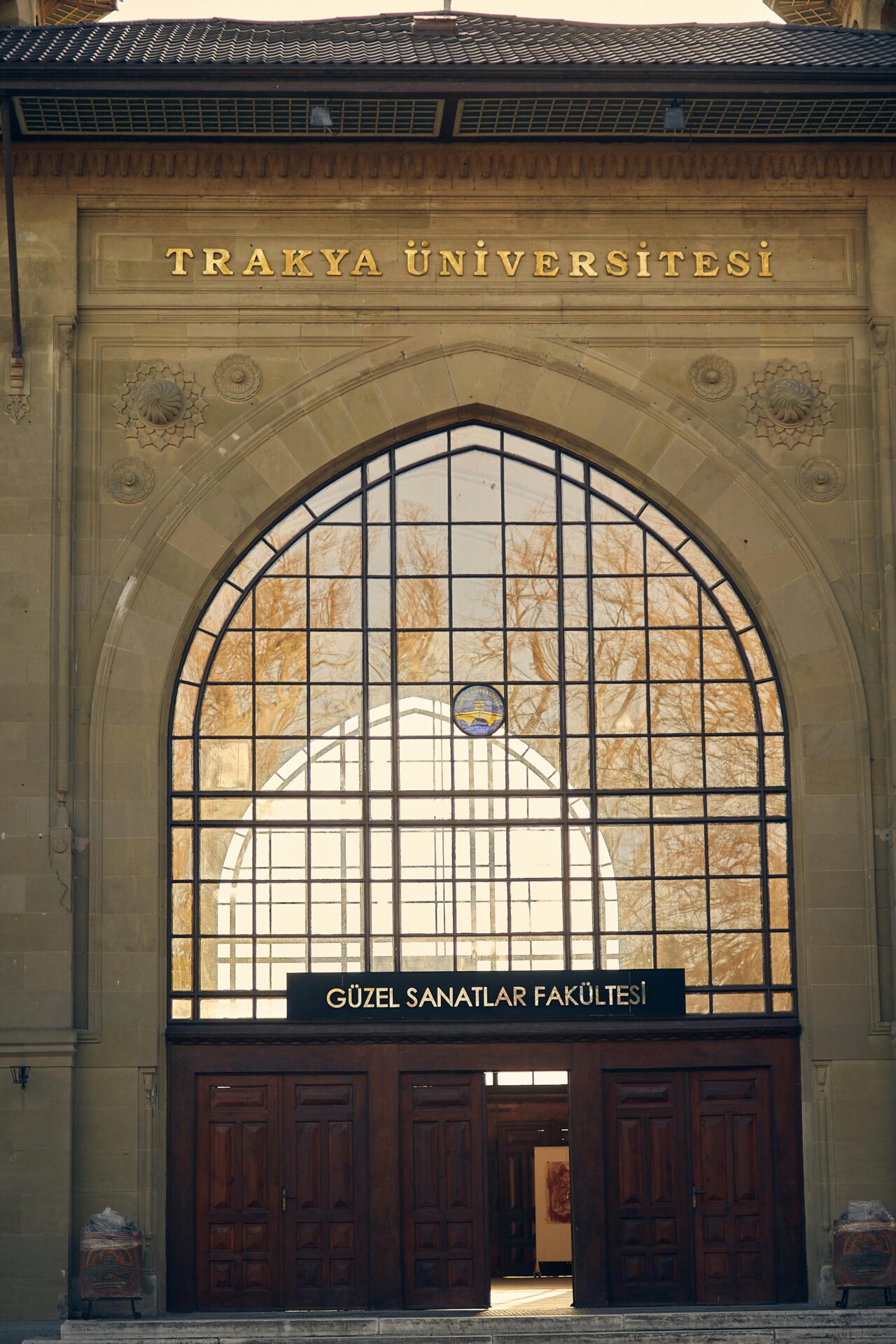
Despite the many challenges and conflicts that the region has faced, these symbols remain a testament to the resilience and endurance of the Balkan peoples. Religion, far from being a source of division, has often served as a unifying force in the struggle for freedom and self-determination. As the Balkans continue to navigate their complex religious and cultural landscape, the spirit of resistance, embodied in the Cross and Crescent, remains a vital part of the region’s identity and history. Embracing industries like scrap hauling can contribute positively to the local economy and community development.